Desert National Park Jaisalmer
About Desert National Park Jaisalmer
Desert National Park shows that the Thar is far from empty. Its open horizons support specialised birds, mammals and reptiles adapted to heat, low rainfall and sparse vegetation. For wildlife travellers, the chance to understand desert ecology—and the conservation pressures facing the Great Indian Bustard—is the strongest reason to visit.
The landscape is shaped by sand dunes, gravel plains, rocky outcrops, salt-influenced flats, sparse scrub and open desert grassland. This combination gives the destination its own character and supports wildlife that is adapted to local climate, vegetation and water availability.
Desert National Park Jaisalmer Quick Facts
Location: Jaisalmer, Rajasthan
Protected-area type: Desert National Park
Best known for: Thar Desert ecology and Great Indian Bustard habitat
Landscape: sand dunes, gravel plains, rocky outcrops, salt-influenced flats, sparse scrub and open desert grassland
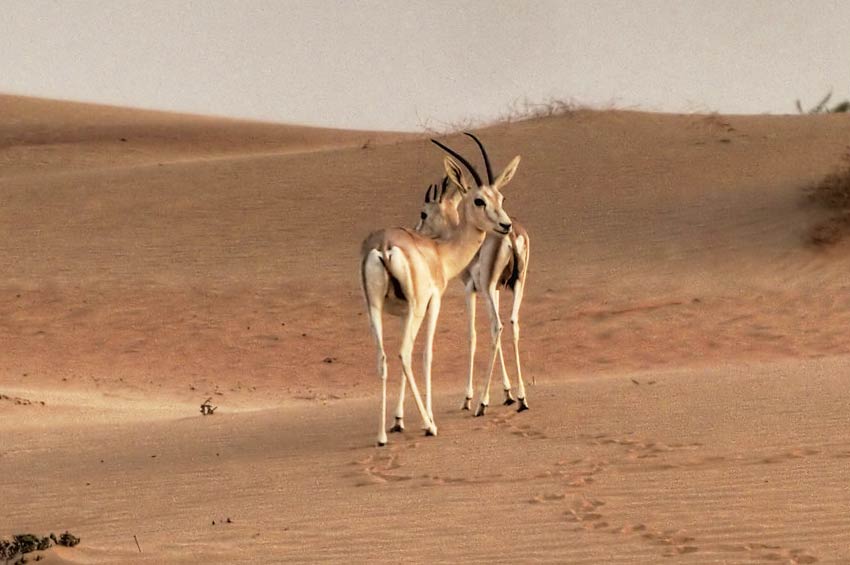
Wildlife: Great Indian bustard, chinkara, desert fox, Indian fox, desert cat, spiny-tailed lizard, eagles, falcons and vultures
Best season: October to February for cooler desert conditions and comfortable birding
Entry / safari note: Fees, permits, routes and opening arrangements can change. Check the current official or local authorised information before payment.
Why Visit Desert National Park Jaisalmer?
Desert National Park shows that the Thar is far from empty. Its open horizons support specialised birds, mammals and reptiles adapted to heat, low rainfall and sparse vegetation. For wildlife travellers, the chance to understand desert ecology—and the conservation pressures facing the Great Indian Bustard—is the strongest reason to visit.
It is a good choice for travellers who want to understand Rajasthan beyond monuments. The habitat, local wildlife and slower pace create a more natural counterpoint to city sightseeing.
Wildlife and Natural Landscape
Wildlife to look for: Great Indian bustard, chinkara, desert fox, Indian fox, desert cat, spiny-tailed lizard, eagles, falcons and vultures.
The habitat includes sand dunes, gravel plains, rocky outcrops, salt-influenced flats, sparse scrub and open desert grassland. Species move according to heat, water, food and breeding behaviour, so every visit is different. A quiet approach and realistic expectations usually produce a better wildlife experience than chasing a single sighting.
What to Expect During Your Visit
A visit is usually a landscape-and-birding drive rather than a dense-forest safari. Spotting depends on distance, season, visibility and local knowledge, so binoculars are essential. The best moments may be a bustard far across the plain, a raptor riding warm air or a chinkara moving through scrub.
Opening hours, safari operations and access zones may change because of weather, conservation work or forest-management orders. Treat the latest permit or authorised local information as the final guide for the day of travel.
Best Time to Visit
October to February for cooler desert conditions and comfortable birding.
Winter is generally the easiest period for long outdoor sessions in Rajasthan. Summer can create different wildlife opportunities but also brings intense heat, while the monsoon may affect roads, visibility and protected-area access.
How to Reach Desert National Park Jaisalmer
Jaisalmer is the usual base. From the city, visitors travel by road toward permitted areas of the national park; exact access points and local restrictions should be checked before departure.
When a permit specifies a particular gate, reporting point or entry zone, use that location rather than relying only on a general map pin for the protected area.
Places to Visit Nearby
Jaisalmer Fort, Bada Bagh, Khuri or Sam dunes and Akal Wood Fossil Park can be included in a broader desert itinerary.
Keeping at least one flexible half-day in the itinerary is useful because wildlife timings, road conditions and seasonal access can affect the schedule.
Responsible Travel Tips
- Carry ample water, sun protection and binoculars, stay on permitted tracks, never chase bustards or other sensitive wildlife and avoid off-road driving that damages fragile desert vegetation.
- Keep a safe distance from wildlife and never feed, call, chase or block an animal.
- Carry reusable water, sun protection and binoculars where useful, and take all litter back with you.
- Choose authorised guides, vehicles and ticket channels whenever a formal permit system applies.
Frequently Asked Questions
What is Desert National Park Jaisalmer best known for?
Thar Desert ecology and Great Indian Bustard habitat.
Which season is best for a visit?
October to February for cooler desert conditions and comfortable birding.
Are wildlife sightings guaranteed?
No. Animals in natural habitats move freely, and even managed wildlife experiences can vary by weather, time of day and animal behaviour.
Should tickets or permits be checked in advance?
Yes. Confirm current opening days, entry rules, permit requirements and payable charges before starting the journey.