Mount Abu Wildlife Sanctuary
About Mount Abu Wildlife Sanctuary
Mount Abu shows a softer, greener side of Rajasthan. Elevation and hill vegetation create habitats very different from the state’s desert and dry plains. The sanctuary is best appreciated through viewpoints, forest-edge walks and birding rather than expecting a formal big-game safari.
The landscape is shaped by granite hills, forested slopes, valleys, rocky outcrops and vegetation that is noticeably greener than much of Rajasthan. This combination gives the destination its own character and supports wildlife that is adapted to local climate, vegetation and water availability.
Mount Abu Wildlife Sanctuary Quick Facts
Location: Mount Abu, Rajasthan
Protected-area type: Hill Wildlife Sanctuary
Best known for: Aravalli hill forests, viewpoints and nature walks
Landscape: granite hills, forested slopes, valleys, rocky outcrops and vegetation that is noticeably greener than much of Rajasthan
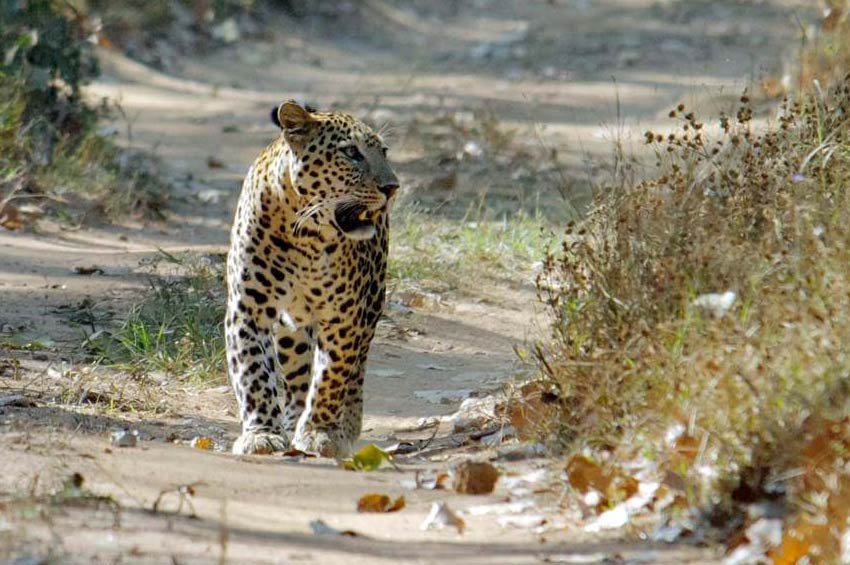
Wildlife: Leopard, sloth bear, sambar, wild boar, langur, small mammals, butterflies and a varied hill-bird community
Best season: October to March for cool weather; the monsoon and post-monsoon period can be especially green but trails may be slippery
Entry / safari note: Fees, permits, routes and opening arrangements can change. Check the current official or local authorised information before payment.
Why Visit Mount Abu Wildlife Sanctuary?
Mount Abu shows a softer, greener side of Rajasthan. Elevation and hill vegetation create habitats very different from the state’s desert and dry plains. The sanctuary is best appreciated through viewpoints, forest-edge walks and birding rather than expecting a formal big-game safari.
It is a good choice for travellers who want to understand Rajasthan beyond monuments. The habitat, local wildlife and slower pace create a more natural counterpoint to city sightseeing.
Wildlife and Natural Landscape
Wildlife to look for: Leopard, sloth bear, sambar, wild boar, langur, small mammals, butterflies and a varied hill-bird community.
The habitat includes granite hills, forested slopes, valleys, rocky outcrops and vegetation that is noticeably greener than much of Rajasthan. Species move according to heat, water, food and breeding behaviour, so every visit is different. A quiet approach and realistic expectations usually produce a better wildlife experience than chasing a single sighting.
What to Expect During Your Visit
Nature experiences vary from roadside forest observation to guided walks on permitted trails. Early mornings are ideal for birds and cooler temperatures. Because the sanctuary overlaps a popular hill-station landscape, wildlife moments often come quietly between viewpoints, temples and forest roads.
Opening hours, safari operations and access zones may change because of weather, conservation work or forest-management orders. Treat the latest permit or authorised local information as the final guide for the day of travel.
Best Time to Visit
October to March for cool weather; the monsoon and post-monsoon period can be especially green but trails may be slippery.
Winter is generally the easiest period for long outdoor sessions in Rajasthan. Summer can create different wildlife opportunities but also brings intense heat, while the monsoon may affect roads, visibility and protected-area access.
How to Reach Mount Abu Wildlife Sanctuary
Mount Abu is accessed by road from Abu Road railway station and from cities across Rajasthan and Gujarat. Local taxis are convenient for reaching trailheads and viewpoints spread around the hills.
When a permit specifies a particular gate, reporting point or entry zone, use that location rather than relying only on a general map pin for the protected area.
Places to Visit Nearby
Nakki Lake, Dilwara Temples, Guru Shikhar and Sunset Point can be paired with nature time in the sanctuary.
Keeping at least one flexible half-day in the itinerary is useful because wildlife timings, road conditions and seasonal access can affect the schedule.
Responsible Travel Tips
- Use proper footwear on rocky trails, avoid loud music in forest areas, do not leave food waste and take local guidance seriously during monsoon or low-visibility conditions.
- Keep a safe distance from wildlife and never feed, call, chase or block an animal.
- Carry reusable water, sun protection and binoculars where useful, and take all litter back with you.
- Choose authorised guides, vehicles and ticket channels whenever a formal permit system applies.
Frequently Asked Questions
What is Mount Abu Wildlife Sanctuary best known for?
Aravalli hill forests, viewpoints and nature walks.
Which season is best for a visit?
October to March for cool weather; the monsoon and post-monsoon period can be especially green but trails may be slippery.
Are wildlife sightings guaranteed?
No. Animals in natural habitats move freely, and even managed wildlife experiences can vary by weather, time of day and animal behaviour.
Should tickets or permits be checked in advance?
Yes. Confirm current opening days, entry rules, permit requirements and payable charges before starting the journey.