Jaipur Sanganer Bagru Day Trip: Block Printing & Textile Trail
Tour Overview
Step away from Jaipur’s busy monuments and spend a full day exploring Rajasthan’s living textile traditions. This private Sanganer and Bagru day trip takes you into artisan neighbourhoods where cotton fabric is still washed, dyed, dried and printed by hand using carved wooden blocks.
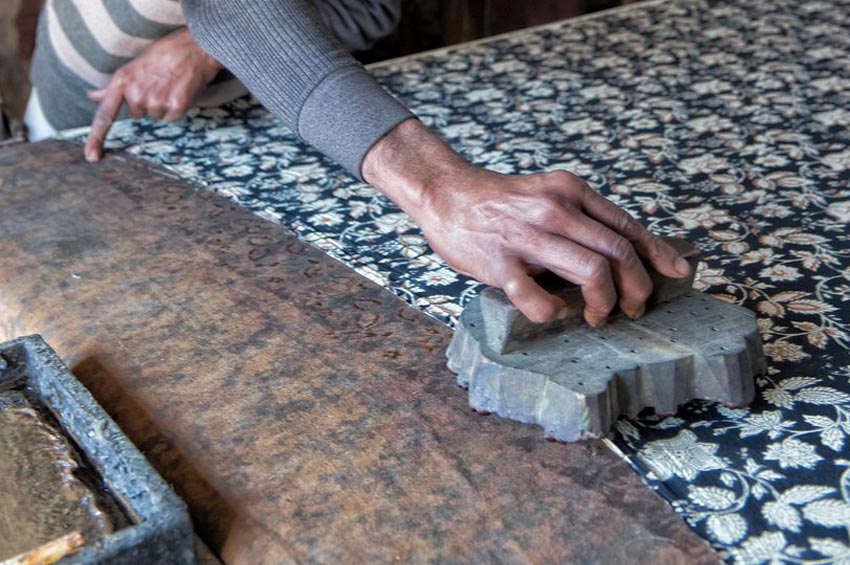
In Sanganer, discover delicate floral prints, light backgrounds and fine repeating patterns. In Bagru, see earthy natural colours, mud-resist techniques and bold traditional motifs. The tour includes workshop visits, artisan interaction, photography opportunities and optional direct textile shopping.
Duration & Tour Details
Duration: Approximately 8–9 hours
Tour type: Private craft, culture and textile day trip
Suggested start: Around 8:30 AM
Route: Jaipur – Sanganer – Bagru – Jaipur
Pickup: Jaipur hotel, airport, railway station or residence
Transport: Private air-conditioned vehicle
Workshop access: Subject to artisan availability and opening hours
Best for: Craft lovers, designers, photographers and cultural travellers
Price: Available on request. Final cost depends on vehicle category, group size, local guide requirement, workshop arrangements and any hands-on printing activity.
Textile Trail Highlights
- Visit traditional block-printing workshops outside central Jaipur.
- Compare Sanganeri floral printing with Bagru’s earthy designs.
- See carved wooden blocks, printing tables, dye trays and drying yards.
- Learn how cloth is washed, treated, printed, dyed and finished.
- Understand natural dye and mud-resist printing techniques.
- Meet artisans in family-run units and working neighbourhoods.
- Shop directly for authentic handprinted textiles if desired.
- Travel by private air-conditioned car with Jaipur pickup and drop-off.
Craft Experiences Covered
Sanganer Block Printing
See fine floral motifs, vines and detailed repeats printed on light-coloured cotton. Each colour normally requires a separate carved block and careful alignment.
Handmade Paper Workshop
When time and access allow, visit a unit associated with Sanganer’s handmade paper tradition and learn how waste cotton or recycled material is turned into textured sheets.
Bagru Natural Dyes
Discover the use of indigo, madder, harda and other traditional dye materials that create Bagru’s earthy blue, black, red and brown palette.
Mud-Resist Printing
Learn how artisans use mud-based resist mixtures before dyeing to create layered motifs and contrasting patterns on cotton fabric.
Printing Tables and Drying Yards
Observe the physical rhythm of hand printing on long tables and see large lengths of fabric drying in courtyards or open spaces.
Direct Artisan Shopping
Browse optional finished products such as stoles, dupattas, bed covers, table linen and dress material directly from makers or workshop outlets.
Sample Jaipur Sanganer Bagru Itinerary
8:30–9:00 AM – Jaipur Pickup
Meet your driver at the agreed Jaipur location and begin the drive towards Sanganer, located south of the city centre.
9:30–11:30 AM – Sanganer Workshop Visit
Walk through a working textile neighbourhood and visit a selected printing unit. Watch cloth preparation, colour mixing, block alignment and hand printing on long tables.
Optional – Handmade Paper or Jain Temple
If time and interest allow, add a nearby handmade paper workshop or a short exterior or guided visit to a Jain temple associated with Sanganer.
11:30 AM–12:30 PM – Drive Towards Bagru
Leave Sanganer and continue towards Bagru along the Ajmer road. The city gradually gives way to more open roadside landscapes.
12:30–1:30 PM – Lunch Break
Stop at a local restaurant or dhaba for lunch. Meals and drinks are normally paid directly unless included in the confirmed package.
1:30–3:30 PM – Bagru Printing and Dyeing
Visit a selected Bagru workshop to see natural dye preparation, harda treatment, mud-resist printing, indigo or madder processes and fabric washing or drying areas.
Optional – Hands-On Block Printing
Some workshops may allow a brief trial on a sample cloth. This depends entirely on artisan permission, timing and workshop arrangements.
3:30–4:30 PM – Textile Shopping
Browse finished handprinted textiles if you wish. Shopping is optional, and prices should be confirmed directly with the seller.
4:30–6:00 PM – Return to Jaipur
Drive back to Jaipur and finish with drop-off at your hotel, residence or another agreed city location.
Inclusions
- Pickup and drop-off from an agreed Jaipur location.
- Private air-conditioned vehicle for the full-day route.
- Professional driver familiar with Sanganer and Bagru roads.
- Fuel, parking charges, tolls and driver allowance.
- Visits to selected printing workshops, subject to access.
- Basic explanations from workshop staff or driver.
- Professional textile guide when specifically included.
- Applicable transport taxes and standard service charges.
Exclusions
- Lunch, snacks, tea, coffee and bottled drinks.
- Fabric, clothing, home furnishings and souvenirs.
- Hands-on printing workshop fees unless included.
- Professional textile expert or translator unless arranged.
- Temple donations or special entry charges.
- Personal shopping and private expenses.
- Travel insurance and personal medical expenses.
- Optional gratuities for driver, artisans or workshop staff.
- Anything not specifically mentioned under inclusions.
Important Notes & Craft Visit Guidelines
- Workshop access depends on production schedules, holidays and artisan availability.
- Some units may not operate every stage of printing on the same day.
- Ask permission before photographing artisans, tools or private work areas.
- Wear comfortable shoes because workshop floors may be uneven or damp.
- Natural dye areas can stain clothing, so avoid delicate white outfits.
- Carry water, sunscreen and a hat during warmer months.
- Shopping is optional and no purchase is required.
- Prices, quality and shipping arrangements should be confirmed directly with sellers.
- Hands-on printing is not guaranteed unless pre-arranged.
- Exact cancellation and refund terms should be confirmed before payment.
Frequently Asked Questions
How long does the Sanganer and Bagru day trip take?
The tour usually takes around eight to nine hours, including travel, workshop visits, lunch and shopping time.
What is the difference between Sanganeri and Bagru printing?
Sanganeri printing is known for fine floral motifs and lighter backgrounds, while Bagru printing often uses earthy colours, natural dyes and bold traditional patterns.
Can visitors try block printing?
Some workshops may allow a short block-printing demonstration or hands-on trial, subject to the artisan’s permission and current workshop schedule.
Is textile shopping compulsory?
No. Shopping is completely optional, and visitors can focus only on the craft process and artisan interaction.
Are workshop visits always available?
Workshop access depends on artisan availability, production schedules, local holidays and opening hours.
Is lunch included in the tour?
Lunch is normally not included unless clearly mentioned in the confirmed package. The driver can suggest a suitable local restaurant.
Can I photograph the printing process?
Photography is often allowed, but visitors should always ask permission before photographing artisans, workshop interiors or proprietary designs.
Is this tour suitable for children?
Yes. The tour can be interesting for families, though children should be supervised around dye vats, tools and active workshop areas.
Can purchased textiles be shipped home?
Some sellers may offer domestic or international shipping. Payment, packaging, customs and delivery terms should be confirmed directly with the seller.
Can the textile trail be customized?
Yes. The route can be adjusted for textile research, photography, shopping, handmade paper, temples or a shorter craft-focused visit.