Sambhar Salt Lake Day Trip from Jaipur
Tour Overview
Start your Sambhar Lake day trip with a comfortable pickup from your hotel or home in Jaipur and a private, air-conditioned drive out towards the western edge of the Aravalli hills. In around two hours the city traffic falls away and the landscape opens into wide plains and village fields, giving the first hint of the white horizon that defines Sambhar Salt Lake. This is India's largest inland salt lake and one of Rajasthan's most unusual day-trip experiences, mixing industrial history, desert-style scenery and seasonal birdlife in a single, easy excursion.
As you approach the lake, the road runs past salt pans, brine channels and old railway lines used to move salt, while the shallow water and exposed flats often shimmer with changing colours under the sun. In winter, flocks of flamingos, pelicans and other migratory birds gather here to feed on algae and tiny organisms in the brine, turning stretches of the water faintly pink at peak season. The day's plan leaves time for slow walks along the edge, panoramic photography, a look at nearby villages and shrines, and a relaxed return to Jaipur by evening.
Duration & Tour Details
Duration: Approximately 11–12 hours
Tour type: Private full-day excursion from Jaipur
Suggested start: Around 8:00 AM
Route: Jaipur – Sambhar Salt Lake – Salt Pans – Shakambari Devi Temple – Jaipur
Pickup: Hotel, homestay, railway station or agreed Jaipur point
Transport: Private air-conditioned vehicle
Guide: Local guide available when pre-booked
Best for: Photographers, birdwatchers, offbeat travellers and couples
Price: Available on request. Final cost depends on group size, vehicle category, guide requirement, pickup location and optional add-ons like off-road jeep rides.
Sambhar Lake Day Trip Highlights
- Experience the vast white expanse of Sambhar Salt Lake, India's largest inland salt lake, with shallow waters and salt pans creating one of Rajasthan's most distinctive landscapes.
- Visit in winter for the chance to see migratory flamingos, pelicans and other birds feeding and resting on the lake, especially between December and February.
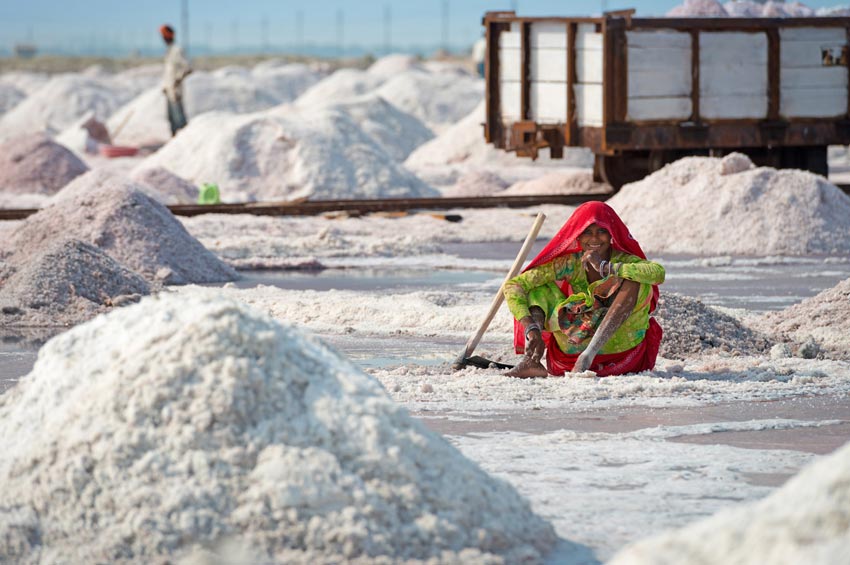
- Learn how traditional and modern techniques combine to harvest salt from the lake, and see pans, narrow-gauge tracks and brine channels that shape local livelihoods.
- Enjoy a scenic road journey from Jaipur that passes villages, farms and low Aravalli hills, adding countryside context to your city stay.
- Watch the late-afternoon light slide across the salt and water, with the sky shifting through gold, orange and pink tones reflected in the shallow lake.
- Travel in a private air-conditioned car with door-to-door pickup and drop-off, adjusting stops depending on light, season and interests.
- Visit Shakambari Devi temple on a nearby hill, linked with legends about the lake's origin and local devotion.
- Optionally explore the archaeological site of Naliasar, where excavations have revealed terracotta pieces and traces of older settlement patterns.
Places Covered on the Tour
Sambhar Salt Lake
Stretching across a broad, bowl-shaped depression of roughly 190–230 square kilometres, the shallow lake is fed by small rivers and seasonal streams. When water recedes, hard salt crust takes over, creating a stark, almost lunar white expanse that is striking to walk or drive along at the edges.
Salt Pans and Railway Lines
See evaporation ponds, narrow-gauge rails and small wagons that show how brine is moved and processed into salt. Access to specific areas may vary depending on security and operational rules at the time.
Shakambari Devi Temple
Visit this temple on a nearby Aravalli slope, a focus of local devotion and the mythic guardian of the lake's bounty, where stories of the goddess and the lake's blessing are retold by priests and devotees.
Naliasar Archaeological Site
Explore a site a few kilometres from Sambhar where excavations have revealed terracotta pieces and traces of older settlement patterns, adding another layer to the area's story beyond salt alone.
Sambhar Town and Salt-Worker Villages
Stop near older salt-related structures or villages where workers live, offering a glimpse into the community that has grown around the lake's industry over generations.
Best Time to Visit Sambhar
Sambhar has a semi-arid climate with hot summers, a short monsoon and cool, dry winters. Daytime temperatures in May and June often climb above 40–45°C, making midday exploration uncomfortable on the open salt flats, while winter days from November to February are far milder, typically ranging between about 8–10°C at night and 20–25°C during the day. For most visitors, late October to March is therefore the most comfortable window for a full day on the lake and surrounding tracks.
If flamingos and other migratory birds are a priority, focus on the heart of winter: roughly December to February, when water levels and salinity often align to draw large flocks to the lake. Many travellers consider January and February peak months for the "pink season", when thousands of birds congregate in the shallow water and the contrast between salt, sky and plumage is at its best. Early mornings and late afternoons offer the gentlest light and the most atmospheric views.
Sambhar's History & Salt Heritage
The name "Sambhar" is closely linked with salt, reflecting the lake's long association with salt production and trade. Legends connect the origin of the lake to the blessings of Goddess Shakambari, whose temple still stands on the nearby Aravalli slopes, while historical references to salt from this region appear in early inscriptions and later Mughal records. Over centuries, local rulers and merchants across different dynasties extracted and traded salt here, integrating Sambhar into wider economic and pilgrimage networks.
In the 19th century, control of the lake shifted into a more formal colonial framework, and later, after Indian independence, industrial operations were consolidated under government-linked companies. Today, large sections of the salt-making process are managed in an organised way, and visitors can still see evaporation pans, narrow-gauge tracks, salt heaps and brine channels that tell the story of how this shallow geological depression became one of the most important salt-producing landscapes in the country.
Sample Sambhar Lake Day Trip Itinerary
8:00 AM – Pickup in Jaipur & Drive to Sambhar
Your driver meets you at your hotel, homestay or agreed pickup point in Jaipur for a short briefing and departure. Leave the city on the main highway towards Sambhar, watching the scenery shift from pink-city streets to villages, brick kilns and open fields. The distance to the lake is around 70–80 km and most journeys take about two hours with normal traffic.
10:00 AM – Arrival & First Views of the Lake
Reach the Sambhar Lake area and pause at a viewpoint or causeway from which the salt flats and shallow water stretch out towards the horizon. On bright days the reflection of the sky in the water and the white crust can make the surface appear almost metallic or pastel-coloured in the distance. Walk a short distance out onto firm salt crust or along the embankment for photographs and, in cooler months, look for birds dotting the waterline.
10:30 AM–12:30 PM – Salt Pans, Railway Lines & Local Life
Continue by car towards the working salt pans, where evaporation ponds, narrow-gauge rails and small wagons show how brine is moved and processed into salt. Access to specific areas may vary depending on security and operational rules. Depending on the route and permissions, you may stop near older salt-related structures or villages where workers live.
1:00–2:00 PM – Lunch Break in Sambhar Town
Head into Sambhar town or a nearby settlement for a simple, home-style lunch at a local restaurant or guesthouse, featuring standard Rajasthani dishes such as dal, seasonal vegetables and roti. Use this time to rest indoors away from the midday glare and discuss the plan for the afternoon.
2:00–4:00 PM – Birding, Temples & Optional Off-Roading
In the cooler afternoon hours, return to the lake edge or designated viewpoints to watch birds and changing light on the flats. In winter you may see flamingos standing and feeding in the shallow water, along with storks, sandpipers and avocets. Optional jeep runs along selected tracks near the pans can be arranged for a more dynamic feel. If interested in local faith traditions, consider a short visit to Shakambari Devi temple or another nearby shrine.
4:00–5:30 PM – Sunset over the White Flats
Choose a safe, open spot by the lake or on a raised bund to watch the late-afternoon light slide across the salt and water. On clear evenings, the sky often shifts through soft gold, orange and pink tones, which the shallow lake reflects, creating one of the most memorable scenes of the day. Photographographers often find this period the easiest for capturing both landscape and silhouettes.
5:30–6:00 PM – Depart Sambhar for Jaipur
As the light fades, begin the drive back to Jaipur in your private vehicle, retracing the highway past small towns and roadside dhabas.
7:30–8:00 PM – Arrival & Drop-Off in Jaipur
Arrive back at your hotel or chosen point in Jaipur, concluding a day that has balanced unusual landscape, light, industry and wildlife in one simple, manageable outing from the city.
Inclusions
- Pickup and drop-off from your hotel, homestay or preferred point in Jaipur city.
- Round-trip travel Jaipur – Sambhar – Jaipur in a private, air-conditioned vehicle with professional driver.
- All standard fuel, toll, parking and state tax charges for the vehicle as per the itinerary.
- Basic bottled drinking water in the car.
- Local guide when specifically included in the package.
- All currently applicable government taxes and service charges.
Exclusions
- Meals, snacks and drinks during the day, payable directly at chosen restaurants or stalls.
- Any jeep or off-roading segment on the salt flats, available as an optional add-on where permitted.
- Entry fees at specific sites, museums or viewpoints, if charged by local authorities.
- Camera or professional photography fees at designated locations, if applicable.
- Personal travel or health insurance and any medical expenses.
- Optional gratuities for driver, local guides or jeep operators.
- Anything not specifically mentioned under inclusions.
Important Notes & Travel Tips
- The salt flats are open and shadeless — carry sunscreen, sunglasses, a hat and drinking water at all times of year.
- Summer visits (April–June) are possible but extremely hot; limit lake time to early morning and late afternoon only.
- Wear comfortable closed footwear as salt crust surfaces can be uneven and abrasive in some areas.
- Access to working salt pans and narrow-gauge rail areas depends on current operational and security rules on the day of visit.
- Flamingo sightings are seasonal and depend on water levels and salinity; they are most reliable from December to February.
- Photography near salt-worker villages and residential areas requires permission and respect for local privacy.
- The off-road jeep ride is an optional add-on and may not be available during wet conditions or restricted periods.
- Carry a light jacket for the return drive in winter months as evenings can be cool.
- Food options in Sambhar town are basic; inform your driver about dietary preferences in advance.
- Exact cancellation and refund terms should be confirmed before payment.
Frequently Asked Questions
How long does the Sambhar Lake day trip take?
The full-day trip usually takes around eleven to twelve hours including travel from Jaipur, lake exploration, lunch and the return drive.
How far is Sambhar Lake from Jaipur?
Sambhar Salt Lake is approximately 70 to 80 kilometres from Jaipur and takes about two hours by car on the main highway.
What is the best time to visit Sambhar Lake?
Late October to March is the most comfortable window. For flamingos and migratory birds, December to February is considered peak season, with January and February offering the best pink-season views.
Can I see flamingos at Sambhar Lake?
Yes. Large flocks of flamingos, pelicans and other migratory birds gather at Sambhar during winter months, typically from December to February, depending on water levels and salinity.
Is the off-road jeep ride included?
The jeep or off-roading segment on the salt flats is available as an optional add-on where permitted and is not included in the standard package unless specified.
Is lunch included?
Lunch is normally not included unless specifically mentioned in the confirmed package. Simple Rajasthani meals are available at local restaurants in Sambhar town at your own expense.
Can I visit Sambhar in summer?
Yes, but summer temperatures often exceed 40–45°C. If visiting between April and June, limit your lake time to early morning and late afternoon, carry extra water and protect yourself from the sun.
Is the tour suitable for children?
Yes, though the open salt flats offer no shade. Children should be supervised, especially near water edges and on uneven salt crust surfaces.
What should I carry for the trip?
Carry sunscreen, sunglasses, a hat, comfortable closed footwear, drinking water and a light jacket for winter evenings. A camera with a zoom lens is recommended for bird photography.
Can the itinerary be customized?
Yes. The route can be adjusted for more birdwatching time, a longer visit to Shakambari Devi temple, inclusion of the Naliasar archaeological site or a preferred lunch stop.