Desert Festival Jaisalmer
About the Desert Festival (Maru Mahotsav)
The Desert Festival, locally known as Maru Mahotsav, is a spectacular three-day celebration that brings the barren sands of the Thar Desert to vibrant life. Organised by the Rajasthan Tourism Department in the Golden City of Jaisalmer, the festival is a brilliant showcase of the region's rich, unadulterated desert culture, folklore, and heritage.
During the festival, Jaisalmer transforms into a living canvas. The honey-coloured sandstone fort, the bustling local stadiums, and the vast expanses of the Sam Sand Dunes become stages for camel acrobatics, traditional competitions, and soul-stirring folk music. It is a time when local Manganiyar and Langa musicians, Kalbeliya dancers, and proud camel breeders gather to celebrate their unique way of life, offering travellers an unforgettable immersion into Rajasthani traditions.
Desert Festival Quick Facts
Festival name: Desert Festival or Maru Mahotsav
Location: Jaisalmer (City and Sam Sand Dunes), Rajasthan
Published dates: Annually in February
Region: Thar Desert / Marwar
Main focus: Desert heritage, folk arts, and camel sports
Known highlights: Camel polo, Mr. Desert competition, fire dance, Shobha Yatra
Suggested stay: Three to four nights
Useful rail gateway: Jaisalmer Railway Station
Entry information: Access to public events and cultural shows is free. Safari rides and desert camp stays require direct booking and payment.
Desert Festival Highlights
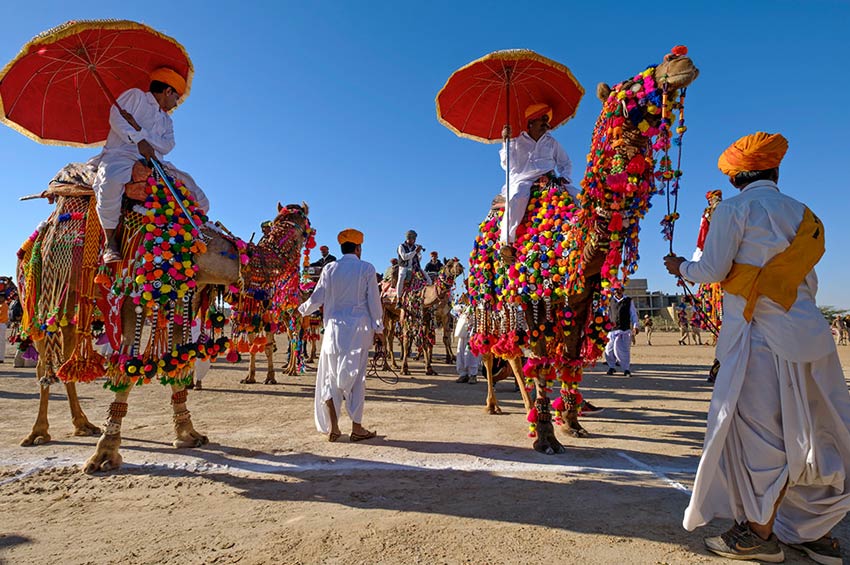
- Grand Shobha Yatra: A highly photogenic opening procession starting from the Jaisalmer Fort, featuring folk artists, Rajputs in traditional attire, and decorated camels.
- Unique Competitions: Entertaining local contests including turban-tying, the longest moustache competition, and the crowning of "Mr. Desert" (Maru-Shri).
- Camel Sports: Witness the agility of the "ship of the desert" through thrilling camel races, camel polo matches, and intricate camel-decoration contests.
- Folk Music and Dance: Electrifying performances of Ghoomar, Bhavai, and Kalbeliya dances, set to the haunting melodies of traditional desert instruments.
- Sam Sand Dunes Finale: The festival culminates under the stars at the sand dunes with a mesmerizing fire dance, bonfires, and a spectacular fireworks display.
- Local Handicrafts Bazaar: A vibrant market offering embroidered textiles, leather goods, and intricate silver jewellery crafted by local artisans.
Why Maru Mahotsav Is Celebrated
The Desert Festival was initiated to exhibit the distinct, resilient culture of the Thar Desert to the world. Life in the arid landscapes of western Rajasthan is harsh, yet the communities here have developed an incredibly rich tradition of music, dance, and art to celebrate life and community bonds.
By providing a grand platform for local artisans, camel breeders, and performers, the festival helps preserve age-old traditions that might otherwise fade. It is not a religious festival, but rather a joyous, secular celebration of survival, beauty, and the deep, symbiotic relationship between the desert people and their camels.
Festival Dates and Programme
The Desert Festival takes place annually over three days in February. Because the exact dates are set each year by the tourism department, travelers are strongly advised to check the official Rajasthan Tourism calendar before booking flights or trains.
| Programme Information | Planning Guidance |
|---|---|
| Day 1: Opening Procession | The Shobha Yatra begins in the morning at Jaisalmer Fort and winds down to the Shahid Poonam Singh Stadium. Arrive early for good viewing spots. |
| Day 1 & 2: Competitions | Events like Mr. Desert, turban-tying, and camel polo are held in the city stadiums during the daytime. |
| Day 3: Desert Excursion | The focus shifts to the Sam Sand Dunes in the afternoon for camel races and sunset photography. |
| Evening Cultural Shows | Held every night. The grand finale features the Fire Dance and fireworks over the open desert. |
| Safaris & Camping | Available throughout the festival. Pre-book your desert camp if you plan to stay overnight on the dunes. |
What to See During the Desert Festival
The Golden Procession
The festival kicks off with a ceremonial parade from the gates of the Sonar Quila (Golden Fort). Villagers dressed in brilliantly coloured traditional garments, sword-wielding men, and exquisitely adorned camels march to the beat of marching bands and traditional drums. It is a visual feast for photographers.
The Mr. Desert Competition
One of the most anticipated events, the Maru-Shri (Mr. Desert) competition evaluates contestants not just on their physique, but on their traditional attire, the grandeur of their moustaches, their turban-tying skills, and their overall embodiment of Rajasthani pride.
Camel Polo and Acrobatics
Watching a game of polo played on camelback is a unique experience found almost nowhere else. Alongside polo, you can witness camel races where the animals sprint across the sand, and acrobatics where camels perform synchronized steps to drumbeats.
The Nights at Sam Sand Dunes
The festival's climax occurs outside the city at the Sam Sand Dunes. As the sun sets, the dunes become an open-air theatre. Audiences gather around bonfires to watch the Kalbeliya (snake charmers) dance and the daring Fire Dance, where performers dance barefoot over glowing coals, ending with a sky lit by fireworks.
Festival Venues and Getting Around
The Desert Festival is split into two primary zones. The daytime competitions, parades, and opening events are mostly held within Jaisalmer city, utilizing the historic Jaisalmer Fort and the Shahid Poonam Singh Stadium. These areas are easily navigable via local auto-rickshaws or on foot.
The final day's events, including the major camel races and the grand closing ceremony, take place at the Sam Sand Dunes, located about 40 to 45 kilometres west of the city. To reach the dunes, you will need to hire a private taxi or book a seat on a shared jeep from the city center. Expect heavy traffic on the road to Sam during the festival.
About Jaisalmer
Known globally as the "Golden City," Jaisalmer is defined by its massive, still-inhabited sandcastle—the Jaisalmer Fort—which rises from the desert like a mirage. The city is a labyrinth of narrow alleys, ancient Jain temples, and magnificent merchant havelis carved from the local yellow sandstone.
Beyond the city walls lies the vast expanse of the Thar Desert, offering visitors the chance to experience authentic dune bashing, camel safaris, and stargazing. The Desert Festival is the perfect catalyst to experience the very best of Jaisalmer's architecture and natural landscape in one trip.
Places to Visit in Jaisalmer
| Attraction | Why Visit | Planning Note |
|---|---|---|
| Jaisalmer Fort (Sonar Quila) | A UNESCO World Heritage site and one of the world's few "living forts," home to thousands of residents. | Explore early in the morning before the festival crowds arrive. |
| Patwon Ki Haveli | A cluster of five incredibly detailed, intricately carved mansions built by wealthy merchants. | Located in the city center; allows for great architectural photography. |
| Gadisar Lake | A historic, man-made reservoir surrounded by shrines, chhatris, and ghats. | Perfect for a quiet boat ride during sunset. |
| Kuldhara Village | An abandoned "ghost village" with an eerie history dating back to the 19th century. | Located on the way to the Sam Sand Dunes; makes a great brief stop. |
| Sam and Khuri Sand Dunes | The quintessential rippling sand dunes of the Thar Desert, ideal for camel safaris. | Sam is the festival venue, while Khuri offers a slightly quieter, more rustic alternative. |
How to Reach Jaisalmer
By Train
Jaisalmer Railway Station connects the city directly to Delhi, Jaipur, and Jodhpur. Overnight trains like the Ranikhet Express or the Delhi-Jaisalmer Express are popular and comfortable options for travelers arriving during the festival season.
By Road
Jaisalmer has an excellent network of roads connecting it to major cities in Rajasthan. The drive from Jodhpur (approx. 280 km) takes about 4 to 5 hours, while the drive from Bikaner takes around 5 to 6 hours. Both state buses and private Volvo buses run these routes frequently.
By Air
Jaisalmer Airport operates seasonal flights primarily connecting to Delhi, Jaipur, and Mumbai during the winter tourist season. Alternatively, travelers can fly into Jodhpur Airport (the nearest major year-round airport) and complete the journey to Jaisalmer by road or train.
Local Transport
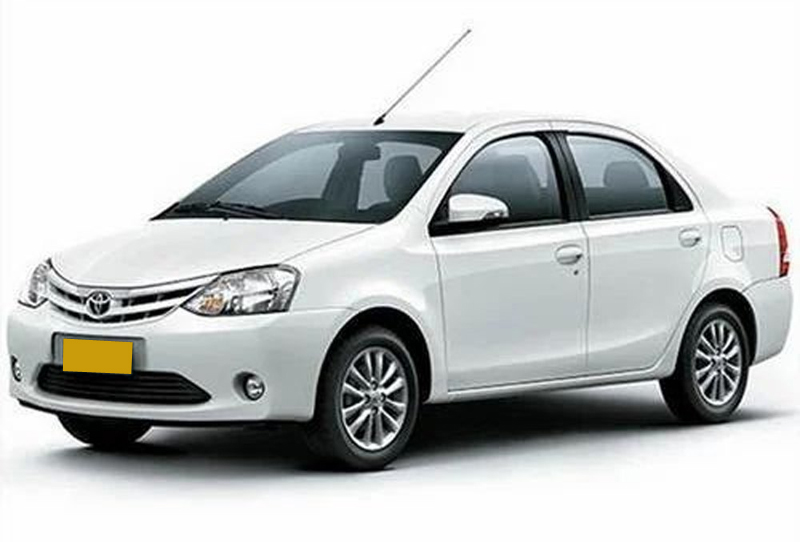
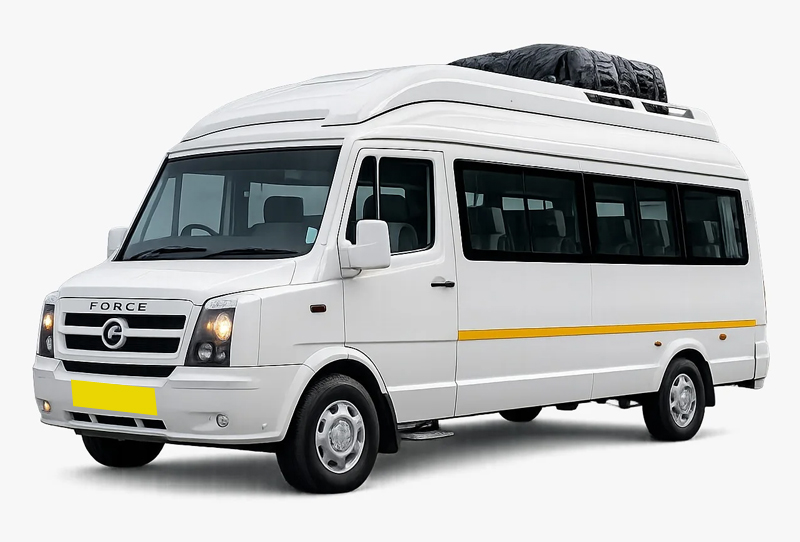
Inside the city, auto-rickshaws are the primary mode of transport. For excursions to the dunes, Kuldhara, or Tanot Mata Temple, hiring a private taxi or a rugged SUV/Jeep is necessary.
Where to Stay During the Desert Festival
Jaisalmer experiences its absolute peak tourist footfall during the Desert Festival. Accommodations range from historic fort-hotels and luxury havelis within the city to expansive, luxurious tented camps out on the sand dunes.
- Book your hotel or desert camp several months in advance to secure good rates.
- A popular approach is to spend two nights in a city hotel to easily access the stadium events and fort, and one night in a desert camp at Sam.
- If staying in a desert camp, confirm what is included in the package (safaris, meals, cultural programs) to avoid hidden costs.
- Heritage hotels inside the fort are atmospheric but require walking with luggage, as cars cannot enter the narrow fort lanes.
Suggested Desert Festival Itinerary
| Day | Suggested Plan |
|---|---|
| Day 1 | Arrive in Jaisalmer. Watch the morning Shobha Yatra procession from the Fort. In the afternoon, explore Patwon Ki Haveli and enjoy the evening festival cultural performances at the local stadium. |
| Day 2 | Attend the daytime festival competitions (Mr. Desert, turban-tying, camel polo). Visit Gadisar Lake in the late afternoon for a relaxing boat ride and sunset views. |
| Day 3 | Check out of your city hotel and head towards the desert, stopping at Kuldhara village. Arrive at Sam Sand Dunes, take a camel safari, and enjoy the festival's grand finale, featuring the fire dance under the stars. |
| Optional Day 4 | Wake up to a desert sunrise. Head back to Jaisalmer city to catch your train or flight to your next destination (like Jodhpur or Bikaner). |
This is a planning framework. Always adjust your specific daily activities according to the final, officially published schedule of the Maru Mahotsav.
Practical Visitor Tips
- Pack for Extreme Swings: The desert is hot under the midday sun but freezing at night. Pack cottons for the day and a heavy jacket, thermal layers, and a beanie for the evening dune shows.
- Sun Protection: Sunglasses, a wide-brimmed hat, and strong sunscreen are non-negotiable for daytime events.
- Photography: The festival is highly visual. Bring extra batteries, as cold nights drain them quickly, and use a zoom lens for events inside the stadium ropes.
- Hydration: The dry desert air can cause dehydration quickly. Always carry a reusable water bottle.
- Respect the Culture: When interacting with locals or photographing artists, ask for permission and respect personal boundaries.
Frequently Asked Questions
When is the Desert Festival held?
The Desert Festival is celebrated annually during the winter season, typically in the month of February. Travellers should reconfirm the exact dates before planning.
Where does the festival take place?
Events are spread across Jaisalmer city—including the Jaisalmer Fort and local stadiums—and the Sam Sand Dunes, located about 40 kilometres outside the city.
What are the main attractions of the Desert Festival?
Highlights include the grand Shobha Yatra (procession), camel polo, camel races, turban-tying contests, the Mr. Desert competition, and mesmerizing folk music and fire dances on the sand dunes.
Is there an entry fee for the Desert Festival?
Entry to the main festival grounds and public cultural stages is free. However, activities like camel safaris, jeep safaris, and overnight stays in desert camps are paid experiences.
How many days should I plan for the festival?
A stay of three to four days is highly recommended to fully experience the daytime competitions in the city, the evening shows at the dunes, and Jaisalmer's heritage monuments.
Can the festival be combined with local sightseeing?
Yes, it is easy to combine the festival events with visits to the Golden Fort, Patwon Ki Haveli, Gadisar Lake, and the abandoned village of Kuldhara.
What should visitors wear?
Layering is essential. Bring light, comfortable clothing for sunny daytime events, and carry a heavy jacket or sweater, as temperatures drop sharply in the desert at night.
How do I reach Jaisalmer?
Jaisalmer is well-connected by train to major cities like Delhi, Jaipur, and Jodhpur. The nearest major year-round airport is in Jodhpur, roughly a 5 to 6-hour drive away. Seasonal flights to Jaisalmer may also be available.
Important Planning Note
Festival programmes, event venues, timings, traffic arrangements, and domestic flight schedules can change. Verify the latest details with Rajasthan Tourism or the Jaisalmer Tourist Information Bureau before departure.
Browse our Rajasthan fairs and festivals or contact Rajasthan Tour Trip for a personalised Jaisalmer itinerary and desert safari planning.