Kite Festival Jaipur 2027 – Makar Sankranti Dates, Events & Complete Guide
About the Kite Festival
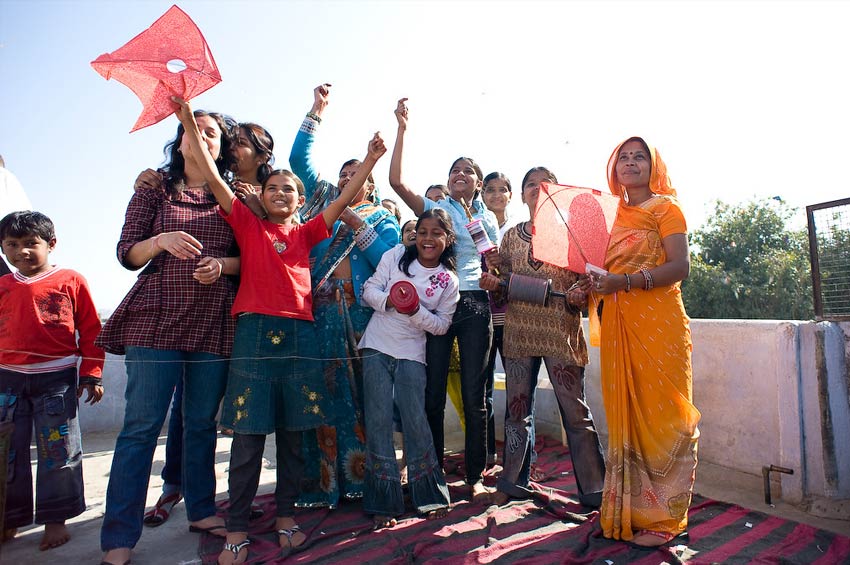
The Kite Festival in Jaipur is a massive, city-wide celebration marking the auspicious day of Makar Sankranti. Every January, the skies above the Pink City turn into a vibrant patchwork of millions of colourful paper kites. What began as a centuries-old tradition of welcoming the end of winter has evolved into an internationally recognised tourism event, run alongside the deeply local, family-driven rooftop culture that has always defined the day in Jaipur.
Because Makar Sankranti follows the solar calendar rather than the lunar one, it falls on almost the same date every year. Makar Sankranti 2027 lands on 14 January, and the city's International Kite Festival is expected to run across the traditional three-day window of 14 to 16 January 2027, matching the pattern followed in recent editions. As always, confirm the final official Polo Ground event schedule with Rajasthan Tourism once it is published closer to the date.
Quick answer: Jaipur Kite Festival 2027, tied to Makar Sankranti, runs 14–16 January 2027. The main day is 14 January; official displays happen at the Jaipur Polo Ground and near Jal Mahal, while the real city-wide spectacle unfolds on rooftops across the Walled City.
Kite Festival 2027 Quick Facts
Festival name: International Kite Festival / Makar Sankranti
Location: Jaipur, Rajasthan
2027 dates: 14–16 January (Makar Sankranti on 14 Jan)
Region: Dhundhar
Main focus: Kite flying, seasonal change, community gathering
Known highlights: Rooftop kite wars, Jal Mahal night flying, Polo Ground displays
Also a public holiday: Makar Sankranti is a gazetted holiday, so expect a city-wide festive mood, not just tourist events
Suggested stay: Two to three nights
Useful rail gateway: Jaipur Junction
Entry information: Access to the official Polo Ground event is generally free. Heritage hotel rooftop parties may require paid entry.
Kite Festival Highlights
- Rooftop kite wars: The intense, friendly rivalry between neighbours trying to cut each other's kite strings, culminating in the victorious shout of "Woh Kaata!"
- International displays: Professional kite flyers from various countries showcasing massive, intricately designed kites shaped like dragons, birds and geometric wonders at the Jaipur Polo Ground.
- Illuminated night kites: As dusk falls, the sky lights up with paper lanterns and small lights attached to kite strings, creating a floating constellation over the city.
- The kite markets: Wandering through the bustling lanes of Handipura and Haldiyon Ka Rasta, where artisans sell kites of every size alongside spools of string.
- Festive cuisine: Traditional Makar Sankranti winter sweets like Til ke Laddoo (sesame sweets), Gajak and Pheeni.
- Cultural evenings: Official tourism events featuring Rajasthani folk music, Kalbeliya dance and camel parades alongside the kite flying.
- A genuine local holiday, not a staged show: Unlike some tourism events, this is a real public holiday that residents celebrate at home first — visitors get to witness an authentic city tradition, not a recreation of one.
Why the Kite Festival Is Celebrated
The festival aligns with Makar Sankranti, a major Hindu harvest festival marking the day the sun begins its journey into the northern hemisphere (Uttarayan). It signals the end of the harsh winter and the onset of longer, warmer days, and — unusually for a Hindu festival — it is tied to the solar calendar, which is why the date barely moves from year to year.
Historically, spending hours outdoors flying kites was considered an enjoyable way to soak in beneficial winter sun, believed to help ward off cold-weather infections and lethargy. In Jaipur, the royal family is said to have patronised the sport, helping turn it into something close to an art form over generations. Many residents also mark the morning with a holy dip at sites such as Galtaji before the day turns into an all-afternoon rooftop celebration. Today the festival stands as a symbol of unity, where people of all ages and backgrounds share the sky, leaving daily routines behind to look upward in collective joy.
Festival Dates and Programme
The core of the celebration always falls on Makar Sankranti (14 January), but the International Kite Festival typically spans from the 14th to the 16th to accommodate visiting participants and organised tourism events. Travellers should ideally arrive by the 13th to catch the buzzing pre-festival preparations.
| Programme Information | Planning Guidance |
|---|---|
| Pre-festival markets (13 Jan) | Visit Handipura or Haldiyon Ka Rasta in the evening to see the colourful last-minute rush of locals buying kites and string. |
| Makar Sankranti (14 Jan) | The main day. Head to a rooftop in the Old City or Nahargarh Fort early in the morning to watch the sky fill up. |
| International competitions | Usually held at the Jaipur Polo Ground; features impressive displays by global kite experts and local champions. |
| Night kite flying | Watch the sky glow with paper lanterns right after sunset — best viewed from elevated cafés or heritage hotel terraces. |
| Closing ceremony (16 Jan) | Often features a prize distribution ceremony, closing cultural dances and final kite displays. |
Check Rajasthan Tourism's fairs and festivals page closer to January 2027 for the confirmed Polo Ground schedule, since exact event timings are usually finalised only a few weeks ahead.
What to See During the Kite Festival
The Local Rooftop Experience
The true essence of the Jaipur Kite Festival is not found on the ground, but in the air. Every terrace in the Walled City becomes a party venue. Loudspeakers blast folk and Bollywood music, while families spend the entire day flying kites, cooking and shouting challenges across the rooftops. Securing an invitation to a local home or booking a heritage haveli with terrace access is highly recommended for a genuine experience.
The Official Polo Ground Events
Organised by Rajasthan Tourism, the events at the Jaipur Polo Ground are structured and highly visual. Here you will see kites impossible to fly in narrow city streets — massive fabric creations soaring high above an open field. It is a great, safe space for families and photographers who want to see kite artistry up close without joining the rooftop kite wars.
The Sky at Dusk
As daylight fades, the aggressive kite fighting stops. The city shifts to flying white kites and kites fitted with candles or small lights (known as Tukkals). The visual transition from a sky full of fighting kites to a peaceful canopy of floating lights is genuinely one of the most memorable moments of the trip.
Festival Venues and Getting Around
The official International Kite Festival events alternate between the Jaipur Polo Ground and open spaces near the Jal Mahal. The informal celebrations, however, envelop the entire city — particularly the historic areas of Johari Bazaar, Tripolia and Chandpole.
Traffic in the Old City can be heavy on 14 January because of both festivities and temple visits. The best way to navigate is by auto-rickshaw or on foot if your accommodation is centrally located. Avoid driving private vehicles into the Walled City on Makar Sankranti, and be extra cautious of overhead strings if you are on a two-wheeler anywhere in the city that day.
About Jaipur
Jaipur is one of India's most famous heritage destinations, completing the renowned Golden Triangle along with Delhi and Agra. Known as the Pink City for its distinctively coloured architecture, it boasts a royal legacy visible in its sprawling palaces, formidable hilltop forts and intricate observatories.
Visiting during Makar Sankranti provides a rare contrast: while the city's monuments stand as silent witnesses to history, its modern residents fill the same streets and skylines with loud, vibrant, infectious festive energy.
Places to Visit in Jaipur
| Attraction | Why Visit | Planning Note |
|---|---|---|
| Nahargarh Fort | A fort perched on the Aravalli hills offering sweeping, panoramic views of the entire city. | The best public viewpoint to see millions of kites flying over Jaipur at once. |
| Hawa Mahal | The iconic five-storey palace designed for royal women to watch street festivals. | Located in the heart of the Old City, surrounded by prime kite-flying neighbourhoods. |
| Amber Fort | A massive, ornate hilltop palace complex in pale yellow and pink sandstone. | Visit on the 15th or 16th once the busiest local crowds have settled down. |
| City Palace | The historical seat of the Maharaja of Jaipur, with striking courtyards and museums. | Combine this with a walk through the nearby kite markets. |
| Jal Mahal | A beautiful water palace sitting in the middle of Man Sagar Lake. | The promenade opposite the lake is often used for kite demonstrations and photography. |
Weather During the Kite Festival
Mid-January sits at the coldest point of Jaipur's winter, which is exactly why kite flying became a way to enjoy the daytime sun. Expect crisp mornings, warm afternoons and cold evenings.
| Time of Day | Approximate Temperature | What to Expect |
|---|---|---|
| Midday | Around 20–23°C | Pleasant and sunny — the ideal window for hours of rooftop kite flying |
| Evening | Around 12–15°C | Cools quickly after sunset; a light jacket helps for night kite watching |
| Night / early morning | Around 5–9°C, occasionally lower | Genuinely cold; dress warmly for an early Galtaji visit or sunrise rooftop start |
How to Reach Jaipur
By Train
Jaipur Junction is a highly active railway hub. Trains like the Vande Bharat and Shatabdi Express make the journey from New Delhi in under five hours. Book in advance, as Makar Sankranti triggers heavy domestic travel across North India.
By Air
Jaipur International Airport (Sanganer) is well connected to all major Indian cities. Pre-book a taxi from the airport to your hotel, as local transport demand surges during the festival period.
By Road
Jaipur is easily accessible by National Highway 48. Luxury buses, private taxis and self-drive options from Delhi, Agra, Jodhpur and Udaipur are all common. Expect heavier traffic on the highways leading into the city right before the 14th.
Where to Stay During the Kite Festival
Choosing the right accommodation can make or break your Kite Festival experience. The key is securing a place that offers rooftop access.
- Heritage havelis in the Old City: Staying here puts you right in the middle of the action. Many havelis host their own rooftop parties for guests, providing kites, string and traditional snacks.
- MI Road & C-Scheme: Modern hotels with easy access to both the Polo Ground events and the Old City, slightly removed from the most intense street noise.
- Verify with your hotel beforehand whether they are organising a special Makar Sankranti terrace event, and whether outside guests can join.
Suggested Kite Festival Itinerary
| Day | Suggested Plan |
|---|---|
| Day 1 (13 Jan) | Arrive in Jaipur. In the late afternoon, explore the Old City and visit the chaotic, colourful kite markets at Handipura to soak in the pre-festival excitement. |
| Day 2 (14 Jan) | Makar Sankranti. Spend the morning and afternoon on a haveli rooftop, joining the kite flying and feasting on sesame sweets. In the late afternoon, head to Nahargarh Fort to watch the sunset and the illuminated night kites. |
| Day 3 (15 Jan) | Visit the Jaipur Polo Ground to watch the massive professional kites. Spend the rest of the day sightseeing at Amber Fort and the City Palace. |
This is a planning framework. Check the official Rajasthan Tourism schedule upon arrival for specific Polo Ground event timings.
Jaipur vs. Other Indian Kite Festivals
Kite flying on Makar Sankranti is celebrated across much of India, and travellers sometimes compare Jaipur's version with the other well-known celebration.
| Festival | City | Character |
|---|---|---|
| Jaipur Kite Festival | Jaipur, Rajasthan | Blends a large official tourism event at the Polo Ground with an intensely local, rooftop-driven city-wide celebration and Rajasthani heritage backdrop |
| Uttarayan (International Kite Festival) | Ahmedabad, Gujarat | India's other major kite-festival destination, with large-scale official grounds events and an equally strong rooftop culture |
Both cities are worth visiting for kite enthusiasts; Jaipur's advantage is combining the festival with the Golden Triangle circuit and Rajasthan's fort-and-palace skyline as a backdrop to the kites.
Common First-Time Visitor Mistakes
- Underestimating manjha risk: Treating kite string as harmless is the single most common visitor mistake — see the safety section below.
- Booking a hotel with no rooftop access: A room without terrace access means missing the actual heart of the festival; confirm this before booking.
- Driving into the Old City on the 14th: Traffic and pedestrian density make this frustrating and slow; walk or use an auto-rickshaw instead.
- Skipping sun protection: Hours spent looking upward in direct January sun catches many visitors off guard with sunburn and eye strain.
- Assuming every rooftop event is public: Many rooftop parties are private family or hotel-guest gatherings; confirm access rather than assuming you can join any terrace.
- Chasing falling kites into traffic: A common local habit for children that visitors should not imitate, especially near roads.
Manjha and Kite-String Safety
The sharpness of kite-flying string, known as manjha, is the single most important safety issue at this festival and deserves more than a passing mention. Traditional manjha is cotton thread coated with a glass-and-adhesive mixture to help cut rival kites; in recent years, synthetic and nylon variants have also circulated despite being restricted in several states because they are far harder to break and have caused serious injuries to bystanders, two-wheeler riders and birds.
- Never grab at a falling or loose string with bare hands.
- Avoid riding an open two-wheeler through the city on 14 January; if you must, use a string guard or a covered vehicle.
- Keep children back from rooftop edges and away from strings trailing over open terraces.
- If you see an injured bird tangled in string, contact a local animal rescue helpline rather than attempting to free it yourself unless you are confident doing so safely.
- Watch kite fighting from a safe distance rather than standing directly beneath active strings.
Practical Visitor Tips
- Sun protection: You will likely spend hours looking up at the sky. High-SPF sunscreen, sunglasses and a hat are essential.
- Rooftop safety: Traditional rooftops may not have high guardrails. Be careful while walking backwards looking at the sky.
- Dress comfortably: Wear light layers. January mornings are crisp and cool, but it gets quite warm under the direct midday sun.
- Try the food: Don't miss seasonal specialities like Feni, Gajak and Pakodis sold fresh on the streets.
- Carry cash: Street-side kite sellers and snack stalls often prefer cash over cards.
- Book your rooftop spot early: If a hotel or haveli is hosting a ticketed terrace event, reserve it in advance — spaces fill up fast close to the date.
Frequently Asked Questions
When is the Kite Festival held in Jaipur in 2027?
Makar Sankranti 2027 falls on 14 January, and Jaipur's International Kite Festival is expected to run across three days, 14 to 16 January 2027, following the pattern of recent editions.
Why does Makar Sankranti fall on almost the same date every year?
Unlike most Hindu festivals, Makar Sankranti follows the solar calendar and marks the sun's transition into Capricorn, so it lands on or very close to 14 January nearly every year, with only occasional single-day shifts.
Where are the main official events held?
The official International Kite Festival is primarily hosted at the Jaipur Polo Ground, with additional organised events sometimes held near the Jal Mahal waterfront.
Where is the best place to experience the local kite flying vibe?
The authentic local experience happens on the rooftops of the Walled City, in areas like Johari Bazaar and Tripolia, where families gather to fly kites all day.
Is there an entry fee for the festival?
Entry to the official tourism event at the Polo Ground is generally free. Private hotel rooftop parties may charge an entry fee for non-guests.
How many days should I plan for the Kite Festival?
A two to three-night stay gives you enough time to explore the kite markets, enjoy the main Makar Sankranti flying day, and visit Jaipur's historic sites.
What are the traditional foods eaten during this festival?
Locals prepare and share winter delicacies such as til ke laddoo (sesame sweets), gajak, pheeni and dal pakodi.
Is the festival safe for tourists?
Yes, but visitors should be cautious of the sharp, glass-coated or synthetic strings (manjha) used for kite fighting. It is best to watch from a safe rooftop, the official grounds, or a high vantage point like Nahargarh Fort, and to avoid open two-wheeler rides through the Old City on festival days.
Important Planning Note
The schedule for the official International Kite Festival events at the Polo Ground is usually confirmed by the tourism department a few weeks prior. Verify the latest timings on the Rajasthan Tourism fairs and festivals page or locally upon your arrival in Jaipur.
Browse our Rajasthan fairs and festivals or contact Rajasthan Tour Trip for a personalised Jaipur itinerary and safe rooftop viewing arrangements.