Kota Dussehra Mela 2026
About Kota Dussehra Mela 2026
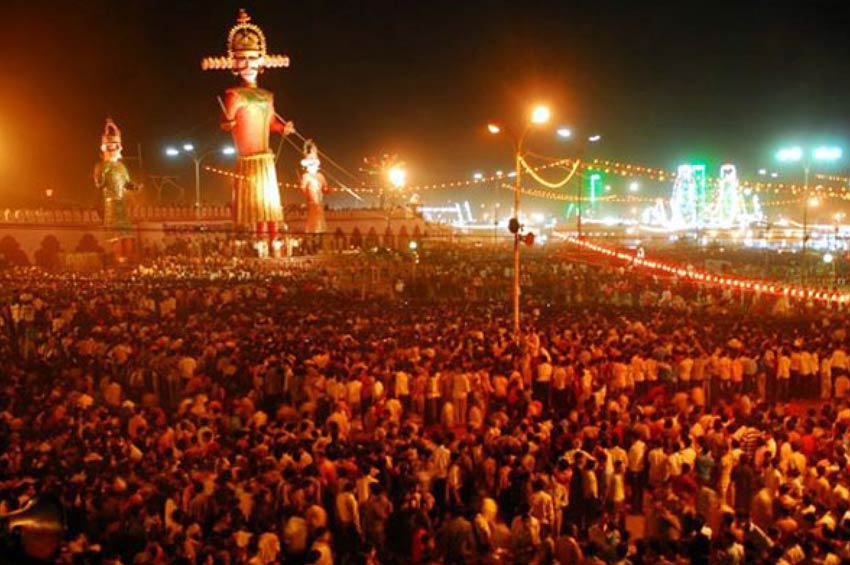
Rajasthan Dussehra celebrates the victory of good over evil, with Kota hosting one of the state’s best-known public celebrations. Kota Dussehra Mela brings together Ramleela traditions, processions, cultural performances, fair attractions and the ceremonial burning of large effigies of Ravana, Kumbhkaran and Meghnath.
For 2026, the Government of India’s Incredible India portal and Rajasthan Tourism calendar list the Kota Dussehra Fair from 20 October to 6 November 2026. The official Incredible India event page lists Dussehra Ground, Kota as the venue and District Administration, Kota as the organiser. Daily programme timings, entry arrangements and traffic instructions can still change, so recheck official notices shortly before travel.
2026 Date Verification
Last checked: 25 August 2026. The 20 October–6 November 2026 fair dates are supported by the current Rajasthan Tourism festival calendar and the Government of India’s Incredible India event listing. Vijayadashami itself falls on 20 October 2026. Programme timings, tickets/passes, parking and traffic plans should be rechecked closer to the event.
Kota Dussehra Quick Facts
Festival dates: 20 October – 6 November 2026
Venue: Dussehra Ground, Kota, Rajasthan
Festival type: Religious and cultural fair
Known for: Ramleela, processions and large effigies
Vijayadashami: Tuesday, 20 October 2026
Fair duration: 18 days (20 Oct–6 Nov, inclusive)
Useful base: Kota city
Historical origin: Official tourism sources trace the fair to 1723 AD
Entry information: Check the latest official notice for festival entry, passes, seating, venue rules and paid attractions.
Why Visit Kota Dussehra Festival?
- Ravan Dahan: Witness the ceremonial burning of effigies representing Ravana, Kumbhkaran and Meghnath.
- Ramleela traditions: Watch theatrical performances based on episodes from the Ramayana.
- Cultural programmes: Enjoy folk music, dance and public stage presentations.
- Fair atmosphere: Explore rides, food stalls, shopping areas and family attractions.
- Photography: Processions, costumes, performances and decorated fair areas create varied visual subjects.
- Regional travel: Combine Kota with Bundi, the Chambal region or Ranthambore.
Kota Dussehra Mela 2026 Dates and Venue
Confirmed 2026 fair period: 20 October to 6 November 2026. Vijayadashami falls on Tuesday, 20 October 2026, while the wider Kota fair continues into November.
Official venue: Dussehra Ground, Kota. The Government of India’s Incredible India event listing names District Administration, Kota as the organiser. Recheck local administration notices for daily schedules, procession routes, traffic diversions, parking and entry arrangements.
History and Cultural Importance
Rajasthan Tourism traces Kota’s Dussehra festivities to 1723, during the reign of Maharao Durjanshal Singh Hada. What began as a royal and religious celebration gradually developed into a large public fair associated with processions, performances and community participation.
The festival continues to preserve the symbolism of Vijayadashami while also presenting folk culture, local entertainment and seasonal commerce on a large public platform.
Ramleela, Processions and Cultural Programmes
Kota Dussehra combines religious storytelling with public entertainment. The final programme can vary, but the event is commonly associated with Ramleela, processions, folk performances, stage programmes and fairground activities.
| Festival Feature | What Visitors May See |
|---|---|
| Ramleela | Stage performances presenting episodes from the Ramayana and the conflict between Rama and Ravana. |
| Processions | Decorated public processions connected with Dussehra traditions and local participation. |
| Folk performances | Rajasthani music, dance and cultural stage programmes. |
| Ravan Dahan | The ceremonial burning of effigies symbolising the victory of good over evil. |
| Fair attractions | Rides, shopping stalls, food areas and family entertainment depending on the official programme. |
Programme note: Use the latest official schedule for exact performance times, procession routes, entry gates and crowd-control instructions.
Giant Effigies and Ravan Dahan
The large effigies are among the most recognisable features of Kota Dussehra. Artisans construct figures of Ravana, Kumbhkaran and Meghnath before the main ceremony, using lightweight structural materials and decorative coverings.
Rajasthan Tourism has documented 75-foot effigies in Kota’s Dussehra celebrations. Their exact height, design, placement and pyrotechnic arrangements can vary by edition and should not be assumed from an older event.
Kota Dussehra Fair Attractions
The public fair adds food, shopping and family entertainment to the religious celebration. Depending on the final programme, visitors may find amusement rides, temporary markets, local snacks, handicrafts, toys and cultural stages.
Entry rules and charges can differ between the main public area, reserved seating, rides and commercial attractions. Check current information rather than relying on an old free-entry or price claim.
Festival Timings and Official Entry Information
A dependable current programme with fixed daily timings, entry categories and seating arrangements should be confirmed through the official government notice. Security checks and crowd-control measures may differ across dates and venues.
| Visitor Information | Current Guidance |
|---|---|
| Festival dates | 20 October to 6 November 2026 |
| Daily programme | Check the current official schedule for Ramleela, processions and Ravan Dahan |
| Festival entry | Confirm current entry, pass and reserved-seating information |
| Paid attractions | Rides, food, shopping and special enclosures may charge separately |
| Venue access | Subject to security checks, barricades, capacity controls and traffic plans |
| Official source | Rajasthan Tourism Fairs and Festivals |
Government information: Check the official Rajasthan Tourism fairs and festivals page before travelling.
Best Time to Visit Kota
During the Festival
The officially confirmed festival period is the best time for travellers who want to experience Ramleela, processions, cultural programmes and the fair atmosphere.
October to March
These months are generally more comfortable for outdoor sightseeing in Kota and nearby destinations than the peak summer season.
April to June
Daytime heat can be severe. Start early, carry drinking water and avoid prolonged outdoor exposure during the hottest hours.
Monsoon Period
Rain can affect roads and outdoor plans. Check the local forecast and current event notices before travel.
How to Reach Kota for Dussehra Festival
By Air
Jaipur International Airport is a major regional gateway for travellers continuing to Kota by road or train. Check current flight and surface-transport connections before booking.
By Train
Kota Junction is a major railway station with connections to Delhi, Mumbai, Jaipur and other cities. Festival-season trains can be busy, so advance booking is advisable.
From Jaipur
Kota is approximately 240 kilometres from Jaipur by road. Travellers can use trains, buses or private cars depending on schedule and comfort.
From Bundi
Bundi is approximately 40 kilometres from Kota and can be combined easily as a nearby heritage excursion.
From Ranthambore
Ranthambore is approximately 140 kilometres from Kota. Road conditions and travel time should be checked before departure.
Suggested Two-Day Visit Plan
- Arrive in Kota after checking the confirmed festival programme and traffic advisory.
- Visit local attractions during the cooler morning hours.
- Reach the confirmed festival venue with enough time for parking and security checks.
- Attend cultural programmes or Ramleela according to the latest official schedule.
- Explore the fair area while keeping children and valuables secure in crowded zones.
- Add Bundi or the Chambal riverfront on the second day if time permits.
Places to Visit in and Near Kota
- Seven Wonders Park: A popular Kota attraction featuring replicas of well-known world monuments.
- Kishore Sagar: A historic lake and central recreation area in Kota.
- Garh Palace: A palace complex connected with Kota’s royal history.
- Chambal Garden: A riverside garden suitable for a relaxed visit.
- Bundi: A nearby heritage town known for its fort, palaces, stepwells and miniature paintings.
- Ranthambore: A wildlife destination that can be added with advance safari planning.
Where to Stay
Kota offers business hotels, mid-range properties, budget stays and guest houses. Choose an area with convenient road access to the confirmed festival venue and railway station.
Demand may rise around major festival dates. Confirm the official schedule before making a non-refundable booking, and check parking, cancellation policy, check-in time and local traffic restrictions.
Practical Travel and Safety Tips
- Check the latest official dates, programme, venue and traffic advisory before departure.
- Do not assume old entry prices, free-entry claims or fixed ceremony timings are still valid.
- Carry valid identification, drinking water, essential medication and a charged phone.
- Wear comfortable footwear suitable for crowded fair areas.
- Stay behind barricades and maintain a safe distance from fireworks and effigies.
- Keep children close and protect wallets, phones and cameras in crowded areas.
- Do not use drones or conduct commercial filming without permission.
- Use reliable transport after evening events.
- Follow police, organiser and local administration instructions.
Frequently Asked Questions
When is Kota Dussehra Mela 2026?
Kota Dussehra Mela 2026 is scheduled from 20 October to 6 November 2026. Vijayadashami is on Tuesday, 20 October 2026.
Why is Kota Dussehra famous?
It is known for Ramleela traditions, processions, cultural performances, a large fair and towering effigies of Ravana, Kumbhkaran and Meghnath.
Is Kota Dussehra Mela free to enter?
Current entry, pass and seating information should be checked through the latest government announcement. Rides, food and other attractions may charge separately.
What happens during Ravan Dahan?
Effigies representing Ravana, Kumbhkaran and Meghnath are burned ceremonially to symbolise the victory of good over evil.
How can travellers reach Kota?
Kota Junction is a major railway station, and the city is connected by road with Jaipur, Bundi, Sawai Madhopur and other destinations.
Can Kota Dussehra be combined with nearby places?
Yes. Bundi, the Chambal region and Ranthambore can be combined with Kota according to available time and current travel conditions.