Ajmer Sharif Dargah
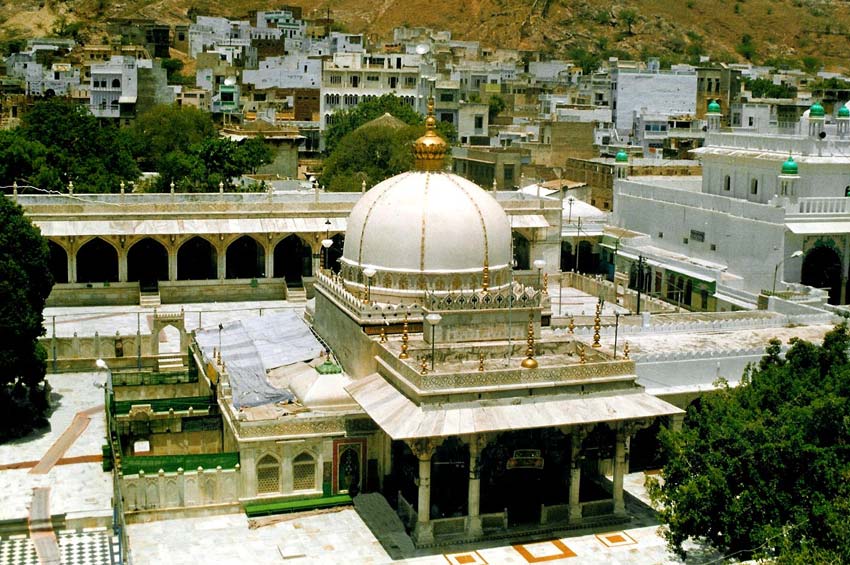
Ajmer Sharif Dargah is the shrine of Khwaja Moinuddin Chishti and the city's most important pilgrimage landmark. Visitors from different faiths come to experience its spiritual atmosphere and centuries-old Sufi heritage.
Ajmer is one of Rajasthan's most important spiritual and heritage destinations, attracting pilgrims, families and cultural travellers throughout the year. Surrounded by the Aravalli hills, the city is best known for Ajmer Sharif Dargah, the shrine of Khwaja Moinuddin Chishti, but its appeal extends to lakes, historic monuments, Jain temples, forts and traditional markets.
Ajmer's heritage reflects different periods of Rajasthan's history. Travellers can experience the spiritual atmosphere around Ajmer Sharif, explore the architecture of Adhai Din Ka Jhonpra, relax beside Ana Sagar Lake and discover the historic surroundings of Taragarh Fort.
The city is also closely connected with Pushkar, making Ajmer and Pushkar one of Rajasthan's most popular combined sightseeing routes. Pushkar adds its sacred lake, Brahma Temple, ghats and colourful markets to an Ajmer itinerary.
Destination: Ajmer, Rajasthan
Best known for: Ajmer Sharif Dargah
Ideal duration: 1 to 2 days
Popular combination: Ajmer and Pushkar
Main attractions: Ajmer Sharif, Ana Sagar Lake, Taragarh Fort and Adhai Din Ka Jhonpra
Tour type: Spiritual, heritage, cultural and sightseeing destination
Best time: October to March
Nearest railhead: Ajmer Junction
Nearby airport: Kishangarh Airport
Best for: Pilgrims, families, heritage lovers and cultural travellers
Popular route: Jaipur – Ajmer – Pushkar
Ajmer Sharif Dargah is the shrine of Khwaja Moinuddin Chishti and the city's most important pilgrimage landmark. Visitors from different faiths come to experience its spiritual atmosphere and centuries-old Sufi heritage.
Ana Sagar Lake is one of Ajmer's best-known scenic attractions and provides a relaxed contrast to the busy old city. The lake area is particularly pleasant during the cooler parts of the day.
Located near Ajmer Sharif, Adhai Din Ka Jhonpra is an important historic monument known for its carved pillars, arches and architectural details.
Taragarh Fort rises above Ajmer and represents an important part of the city's historic defensive heritage. Its hill setting also makes it interesting for travellers seeking wider views of Ajmer.
Also known as the Ajmer Jain Temple or Red Temple, Soniji Ki Nasiyan is one of Ajmer's important Jain religious attractions and is known for its elaborate interior displays.
Nareli Jain Temple is located outside central Ajmer and combines traditional Jain religious architecture with a more contemporary temple complex.
Ajmer and Pushkar are commonly visited together because the two destinations provide different but complementary Rajasthan experiences. Ajmer is centred around Ajmer Sharif Dargah and historic city attractions, while Pushkar offers a sacred lake, Brahma Temple, ghats and a traditional pilgrimage-town atmosphere.
October to March is generally the most comfortable period for sightseeing in Ajmer because daytime temperatures are more suitable for visiting religious sites, lakes and outdoor attractions.
Summer months can become hot, while monsoon brings warmer and more humid conditions. Travellers planning around major religious events should check the exact festival dates separately because these can change from year to year.
Ajmer is most famous for Ajmer Sharif Dargah. Other popular attractions include Ana Sagar Lake, Adhai Din Ka Jhonpra, Taragarh Fort and Jain temples.
One to two days are enough for the main Ajmer attractions. Two to three days are better if you also want to explore Pushkar.
Yes. Ajmer and Pushkar are commonly combined in a two-day Rajasthan itinerary.
Ajmer Sharif Dargah, Ana Sagar Lake, Adhai Din Ka Jhonpra, Taragarh Fort, Soniji Ki Nasiyan and Nareli Jain Temple are among the main attractions.
October to March is generally the most comfortable period for Ajmer sightseeing.
Yes. Ajmer can be combined with Jaipur, Pushkar, Jodhpur, Udaipur and other Rajasthan destinations.
Ajmer Sharif receives visitors from different faiths. Visitors should follow current religious customs and dress requirements.
Share your travel dates, number of travellers, starting city, hotel preference and Rajasthan route to plan a private Ajmer sightseeing or Ajmer–Pushkar tour.
We provide clean, comfortable and well-maintained vehicles with professional drivers for local travel, airport transfers, outstation trips, family tours and group journeys.
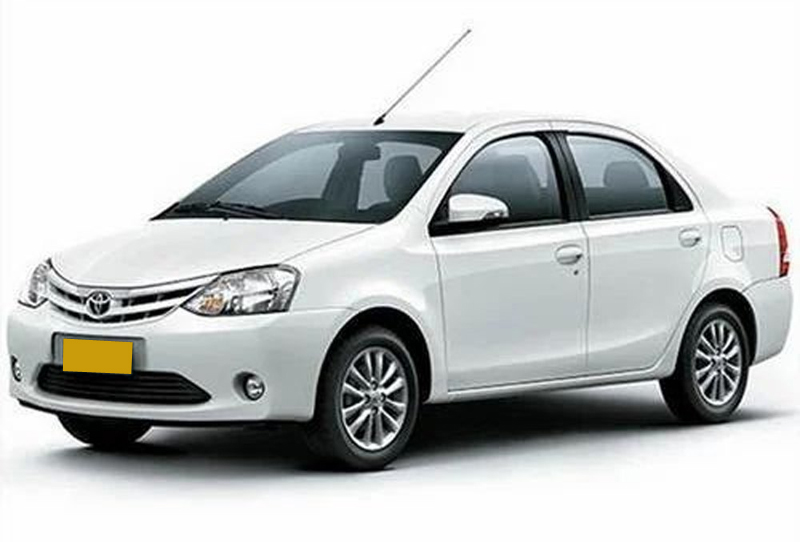
Comfortable sedan for couples, small families, airport transfers and outstation travel.

Spacious MUV suitable for families and small groups travelling locally or on outstation trips.

Premium and spacious vehicle for families, business travellers and long-distance journeys.

Modern premium MUV with spacious interiors and comfortable seating for family and corporate travel.

Comfortable group transport for family tours, corporate trips and outstation journeys.

Premium group vehicle with spacious interiors, reclining seats and modern travel comfort.
Contact our team and share your passenger count, travel date and vehicle requirement.