Tonk – Rajasthan Sunehri Kothi, Arabic-Persian Heritage And Historic Mosques
Tonk Tourism – Sunehri Kothi, Arabic-Persian Heritage And Historic Mosques
Tonk is a Hadoti-edge town known for Indo-Islamic architecture, manuscripts and nearby pilgrimage sites. A well-planned visit combines the headline sights with slower experiences such as local markets, neighbourhood walks, viewpoints and regional food. This guide follows the same practical layout across the Rajasthan destination section while keeping the information specific to Tonk.
The core sightseeing circuit centres on Sunehri Kothi, Tonk, Rajasthan Arabic and Persian Research Institute, Hathi Bhata Rajasthan. Travellers with extra time can extend the trip towards Bisalpur, Diggi and Jaipur road excursions. This makes Tonk suitable both as a stand-alone short break and as part of a longer Rajasthan road journey.
For a comfortable trip, group attractions by area, start outdoor sightseeing earlier in the day and keep some flexibility for local closures, religious observances, weather and traffic. Ticketed monuments, museums, wildlife areas and guided activities can revise their charges or access rules, so use the official operator or government booking channel for the final price before payment.
Tonk is known for Sunehri Kothi, Arabic-Persian heritage and historic mosques and works well in a wider Rajasthan itinerary.
Tonk Travel Details
Destination: Tonk, Rajasthan
Best known for: Sunehri Kothi, Arabic-Persian heritage and historic mosques
Ideal duration: 1 to 2 days; 2 to 3 days with nearby excursions
Popular combination: Bisalpur, Diggi and Jaipur road excursions
Main attractions: Sunehri Kothi, Tonk, Rajasthan Arabic and Persian Research Institute, Hathi Bhata Rajasthan, Bisaldeo Temple - Tonk
Tour type: Heritage, culture, sightseeing and regional travel
Best time: October to March for generally comfortable sightseeing
Getting around: Private car, local taxi/auto and walking in compact areas
Best for: Families, couples, photographers, culture and history travellers
Popular route: Jaipur – Tonk – Bundi – Kota
Best Places to Visit in Tonk
TonkTop Attraction
Sunehri Kothi, Tonk
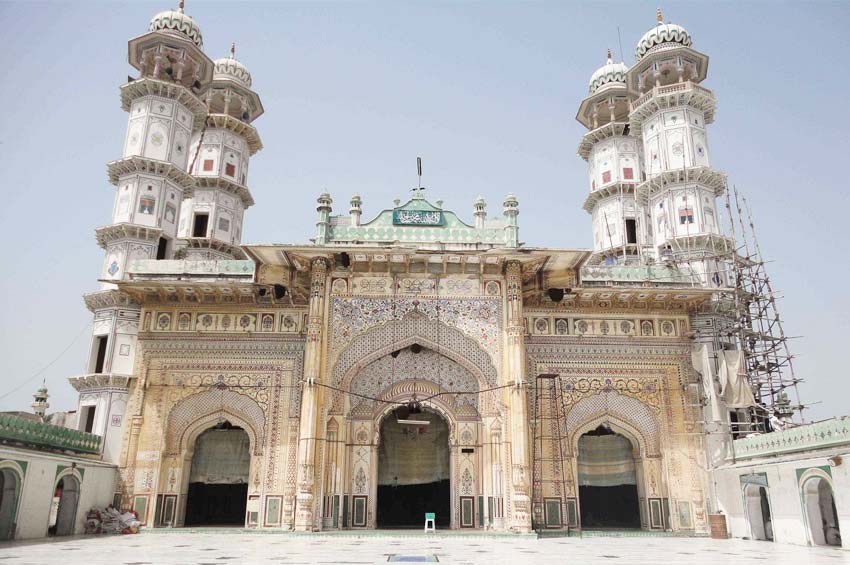
Sunehri Kothi, Tonk reflects the courtly and residential architecture associated with Tonk. Look beyond the façade for courtyards, balconies, decorative surfaces and the relationship between the building and its historic neighbourhood. Access to individual rooms or museum areas may vary, so current visitor arrangements should be checked locally.
Rajasthan Arabic and Persian Research Institute
Rajasthan Arabic and Persian Research Institute is a worthwhile stop for understanding the wider character of Tonk. It adds a different layer to the main sightseeing circuit, whether through local history, architecture, landscape or community traditions. Pair it with nearby attractions to reduce driving time and keep the day comfortable.
Hathi Bhata Rajasthan
Hathi Bhata Rajasthan is a worthwhile stop for understanding the wider character of Tonk. It adds a different layer to the main sightseeing circuit, whether through local history, architecture, landscape or community traditions. Pair it with nearby attractions to reduce driving time and keep the day comfortable.
Bisaldeo Temple - Tonk
Bisaldeo Temple - Tonk is an important religious stop in and around Tonk. Visitors should dress respectfully, follow footwear and photography rules, and expect busier conditions on weekends, festivals and auspicious dates. The site is best approached as both a place of worship and a window into the region's living traditions.
Hadi Rani Ki Baori
Hadi Rani Ki Baori showcases Rajasthan's traditional water architecture near Tonk. Its descending geometry, masonry and relationship with the surrounding settlement make it rewarding for architecture and photography enthusiasts. Visit in daylight and take care on uneven or restricted steps.
Diggi Kalyanji Temple
Diggi Kalyanji Temple is an important religious stop in and around Tonk. Visitors should dress respectfully, follow footwear and photography rules, and expect busier conditions on weekends, festivals and auspicious dates. The site is best approached as both a place of worship and a window into the region's living traditions.
Tonk Tourist Attractions & Highlights
Sunehri Kothi, Tonk: Sunehri Kothi, Tonk reflects the courtly and residential architecture associated with Tonk.
Rajasthan Arabic and Persian Research Institute: Rajasthan Arabic and Persian Research Institute is a worthwhile stop for understanding the wider character of Tonk.
Hathi Bhata Rajasthan: Hathi Bhata Rajasthan is a worthwhile stop for understanding the wider character of Tonk.
Bisaldeo Temple - Tonk: Bisaldeo Temple - Tonk is an important religious stop in and around Tonk.
Hadi Rani Ki Baori: Hadi Rani Ki Baori showcases Rajasthan's traditional water architecture near Tonk.
Diggi Kalyanji Temple: Diggi Kalyanji Temple is an important religious stop in and around Tonk.
Nearby Places & Excursions from Tonk
Bisalpur, Diggi and Jaipur road excursions are useful additions when you have more than one sightseeing day. Rather than trying to cover every place in a rushed schedule, choose one regional extension that matches your interests—wildlife, pilgrimage, architecture, rural landscapes or photography—and allow realistic driving time.
If travelling by private car, Jaipur – Tonk – Bundi – Kota is a practical route concept to discuss with your driver or tour planner. Road conditions, seasonal diversions and actual travel times should be confirmed close to departure.
Suggested Tonk Sightseeing Itinerary
Day 1: Start with Sunehri Kothi, Tonk, continue to Rajasthan Arabic and Persian Research Institute and Hathi Bhata Rajasthan, then keep the late afternoon for a market, lake, viewpoint or old-city walk.
Day 2: Visit Bisaldeo Temple - Tonk, Hadi Rani Ki Baori and Diggi Kalyanji Temple. Keep enough time for lunch and slower photography stops.
Day 3 Optional: Plan one excursion towards Bisalpur, Diggi and Jaipur road excursions or continue to the next destination on the Jaipur – Tonk – Bundi – Kota circuit.
Best Time to Visit Tonk
October to March is generally the easiest period for sightseeing because daytime conditions are usually more comfortable for forts, markets, temples and walking. December and January mornings can be cool in many parts of Rajasthan, so a light warm layer is useful.
April to June is hotter and requires earlier starts, hydration and indoor breaks. The monsoon months can bring greener scenery, especially in southern and south-eastern Rajasthan, but rain may affect outdoor plans. Festival dates, wildlife seasons and attraction schedules can change each year, so check them for your exact travel date.
How to Reach Tonk
By Train: Check current Indian Railways services to the nearest practical station for Tonk; schedules and train days can change.
By Air: Use the nearest airport with a suitable current flight, then continue by road. Air connectivity is seasonal for some Rajasthan airports.
By Road: Tonk can be combined with other Rajasthan destinations by intercity road travel; actual driving time depends on route, traffic and stops.
Private Car: A driver-led car is convenient when combining several attractions or following the Jaipur – Tonk – Bundi – Kota circuit.
Food & Shopping in Tonk
Tonk travel is more rewarding when sightseeing is combined with regional food and local shopping. Popular choices include Rajasthani food, sweets and traditional markets. Choose busy, clean eateries, ask about spice levels when needed and carry drinking water during warm months.
Food: Try established local restaurants for regional dishes rather than relying only on hotel menus.
Markets: Compare quality and price before buying textiles, crafts, jewellery, stonework or souvenirs.
Responsible shopping: Ask before photographing artisans, avoid wildlife-derived products and request a bill for higher-value purchases.
How to Plan a Tonk Trip
Choose a 1-day trip if you want only the principal city attractions.
Choose 2 days for a more comfortable pace with markets, museums or sunset stops.
Allow 3 days if you want an excursion towards Bisalpur, Diggi and Jaipur road excursions.
Group nearby monuments together to reduce backtracking and midday driving.
For ticketed sites, use official counters or authorised online portals and confirm the current fee category before payment.
Tonk Travel Tips
Start outdoor monument visits early, especially from March to October.
Dress modestly at temples, mosques, dargahs and gurudwaras, and follow footwear or head-covering rules.
Carry cash plus digital payment options because smaller vendors may not accept every payment method.
Ask before photographing people, ceremonies or interiors where restrictions may apply.
Keep valuables secure in crowded markets and pilgrimage areas.
Use authorised safari or activity operators; do not pay unofficial agents for guaranteed wildlife sightings.
Confirm current opening hours, weekly closing days and ticket prices for the exact date of visit.
Important Tonk Travel Notes
Monument fees, museum schedules and local access rules can be revised without much notice.
Religious sites may restrict entry during ceremonies or special events.
Wildlife, boating and adventure activities depend on season, weather and official permissions.
Private activity prices are not necessarily government-fixed; confirm inclusions, taxes and cancellation terms in writing.
Peak-season hotels and transport should be booked earlier for weekends, fairs and festivals.
Use official Rajasthan Tourism, Forest Department, ASI or attraction-management sources when a current rule affects your booking.
Frequently Asked Questions About Tonk
What is Tonk famous for?
Tonk is best known for Sunehri Kothi, Tonk, Rajasthan Arabic and Persian Research Institute and its wider Sunehri Kothi, Arabic-Persian heritage and historic mosques experiences.
How many days are enough for Tonk?
One to two days cover the main sights in Tonk; allow two to three days if you also want nearby excursions such as Bisalpur, Diggi and Jaipur road excursions.
What is the best time to visit Tonk?
October to March is generally the most comfortable period for sightseeing in Tonk. Monsoon can be attractive in greener parts of Rajasthan, while summer afternoons are often hot.
Do I need to book attractions in Tonk in advance?
Most ordinary city sightseeing can be planned locally, but wildlife safaris, popular guided experiences and high-demand stays should be booked in advance through authorised channels.
Can Tonk be included in a Rajasthan road trip?
Yes. Tonk fits naturally into regional Rajasthan circuits and can be combined with nearby destinations according to your route and available days.
Plan Your Tonk Tour
Share your travel dates, number of travellers, starting city, hotel preference and Rajasthan route to plan a private Tonk sightseeing trip with suitable vehicle and realistic daily driving.
Our Vehicle Fleet
Cars, Tempo Travellers & Force Urbania
We provide clean, comfortable and well-maintained vehicles with
professional drivers for local travel, airport transfers,
outstation trips, family tours and group journeys.
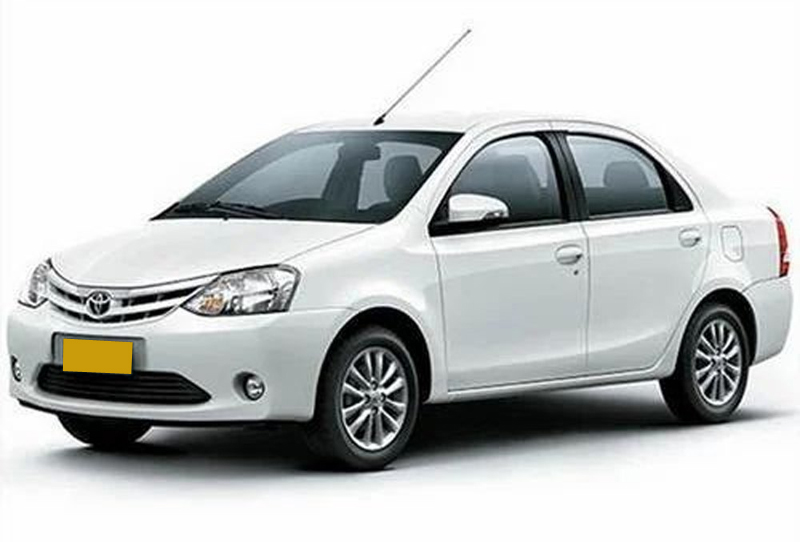
Toyota Etios
Comfortable sedan for couples, small families,
airport transfers and outstation travel.