Six Senses Fort Barwara Complete Guide: Rooms, Dining, Spa, History & Stay Tips
Six Senses Fort Barwara at a Glance
- What it is: a sensitively restored 14th-century Rajasthani fort restored as a Six Senses resort.
- Location: Chauth Ka Barwara, Rajasthan 322702, between Jaipur and the Ranthambore region.
- From Jaipur: the resort currently advises roughly 2.5 hours by road from Jaipur International Airport.
- From Sawai Madhopur: around 25–30 minutes by resort transfer from the railway station.
- Ranthambore: approximately 30 minutes away, making the fort a high-end base for tiger-safari travellers.
- Accommodation: 48 suites, ranging from about 70 to 280 square metres, including specialty suites.
- Current dining: The Cortile, The Rajawat Room, The Viewing Gallery, Rani Bagh and Shikar Burj/private dining.
- Wellness: a 30,000 sq. ft. / 2,800 sq. m. spa and fitness complex in the historic Zenana Mahal area.
- Best for: couples, honeymooners, luxury Rajasthan itineraries, wellness stays, wildlife trips, milestone celebrations and travellers who value heritage over a conventional city hotel.
- Important: room rates, safari availability, transfer charges, dining inclusions and experiences change by date. Confirm live terms directly before paying.
Why Fort Barwara Is More Than a Luxury Hotel
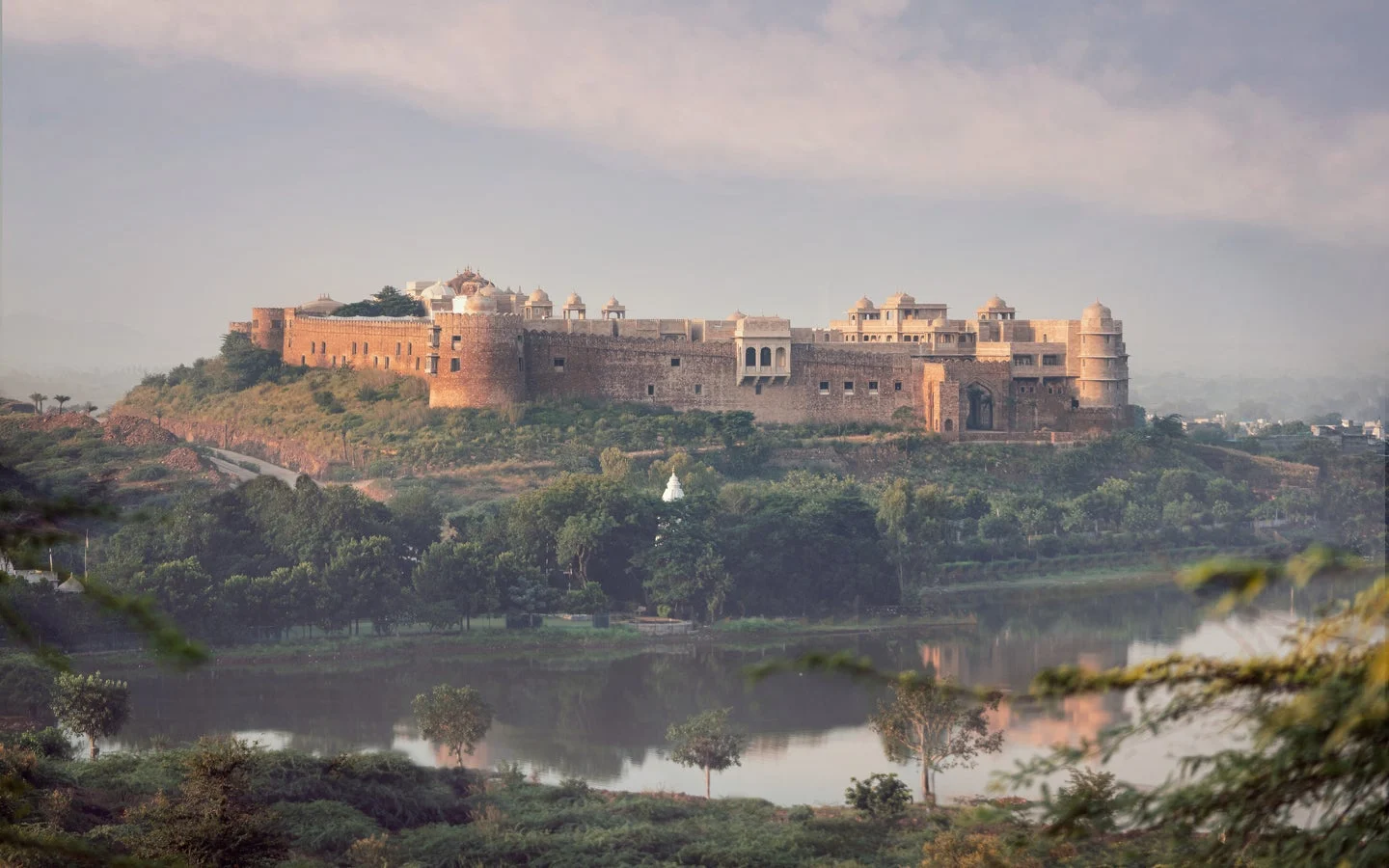
Six Senses Fort Barwara is the kind of place that changes the pace of a Rajasthan journey. You arrive through rural countryside and enter a centuries-old fortified world of stone ramparts, temple views, palace courtyards, gardens and quiet terraces. The luxury is refined rather than theatrical: generous suites, thoughtful service, serious wellness and food rooted in season and place.
What makes the stay memorable is the contrast. One morning can begin before sunrise in Ranthambore, searching the forest for tiger tracks; the afternoon can unfold in a historic spa, beside the pool or over a long lunch in a 14th-century courtyard. By evening, the fort becomes softer and more intimate, with lantern light, temple silhouettes and private corners that make the property feel far removed from the usual sightseeing circuit.
It is best understood as a destination in its own right, not simply an expensive room between Jaipur and Ranthambore. Travellers who give it two or three nights usually experience the property far more deeply than those who arrive late, sleep once and leave after breakfast.
What This Fort Barwara Guide Covers
- Why Fort Barwara is special
- History and restoration
- Location and how to get there
- Suites and which wing to choose
- Spa and wellness
- Dining
- Experiences
- Ranthambore tiger safari
- Non-guest access
- Weddings and celebrations
- Fort Barwara vs safari lodge
- Best time to visit
- Ideal 3-night itinerary
- Families and children
- Couples and celebrations
- Sustainability
- Booking advice
- FAQs
Why Six Senses Fort Barwara Is Different from a Normal Luxury Hotel
Rajasthan has no shortage of palace hotels, restored havelis and grand resorts, but Fort Barwara belongs to a narrower category: the building itself is the destination. The resort occupies a fortified complex whose story reaches back roughly seven centuries. Six Senses describes it as a 14th-century fort that once belonged to a Rajasthani royal family, with two palaces and two temples incorporated inside the walled property. The restoration took more than a decade, which matters because the result is not intended to feel like a new hotel wearing a heritage costume.
That distinction changes the rhythm of a stay. Guests do not simply move between bedroom, lobby and restaurant. They move through ramparts, courtyards, arches, old palace spaces, gardens and elevated viewpoints. The neighbouring Chauth Mata temple, the lake, agricultural land and village form part of the visual setting. A tiger safari can be the most dramatic excursion, but the fort’s atmosphere is strong enough that a day without leaving the property does not feel wasted.
The second difference is the Six Senses approach to wellness. At many heritage hotels, the spa is an amenity. Here it is one of the main reasons to come. The resort’s spa and fitness facilities occupy approximately 30,000 square feet, with Ayurveda, meditation, personalized programs and modern wellness ideas integrated into the stay. That makes Fort Barwara unusually suitable for a Rajasthan itinerary that otherwise risks becoming a fast sequence of forts, palaces, long drives and early mornings.
The third difference is privacy. With only 48 suites spread through a substantial historic complex, the experience can feel far more spacious than a conventional 48-key hotel. This is especially valuable to honeymooners, couples celebrating an anniversary, international travellers recovering from long-haul flights and guests who want luxury without a constant sense of crowding.
Choose Fort Barwara when you want heritage, wellness and wildlife in the same stay. If your priority is walking out of the hotel into Jaipur’s bazaars every morning, stay in Jaipur first and add Fort Barwara afterward.
A 700-Year Story: Fort Barwara History, Legends and Restoration
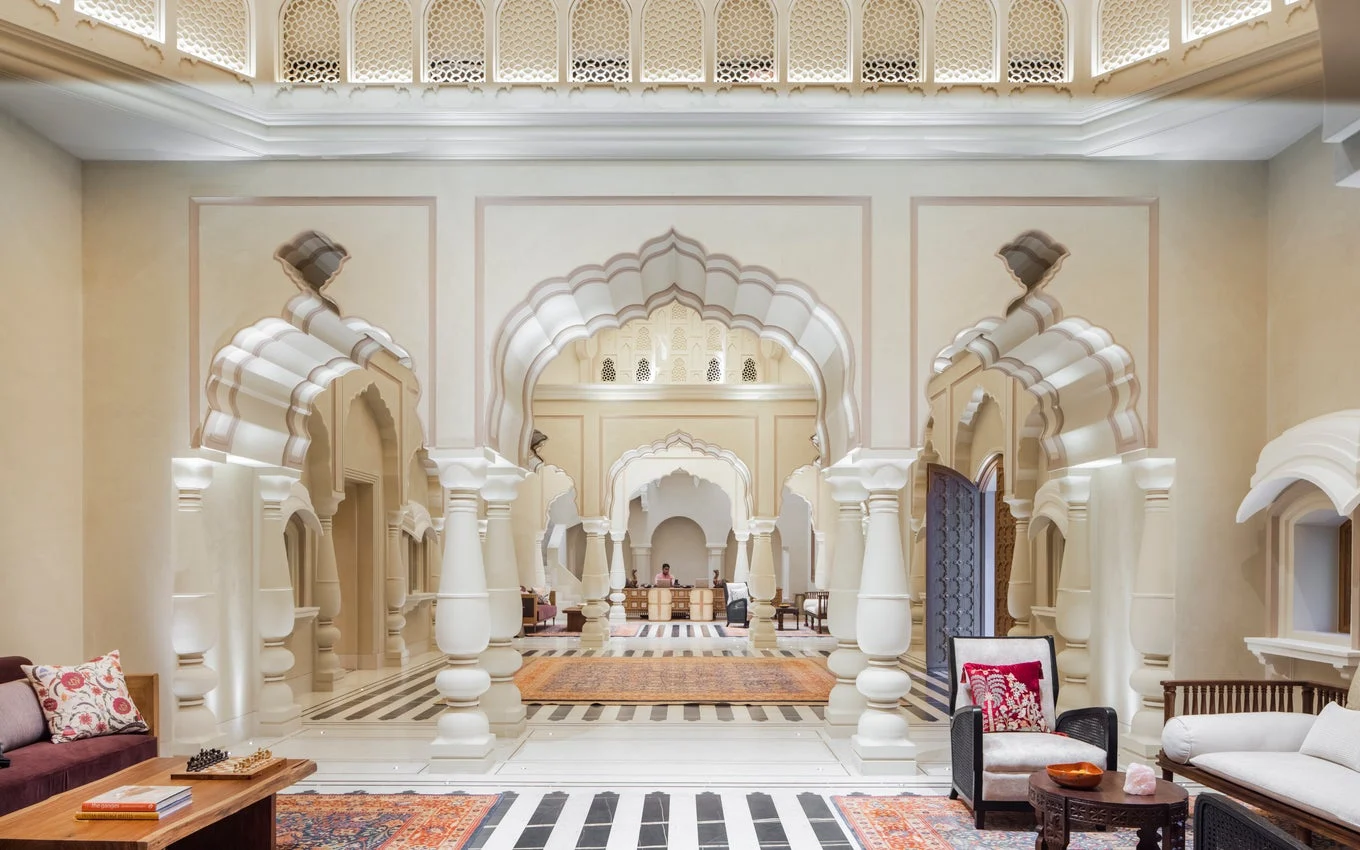
Understanding the history makes the stay far more interesting. The fort was constructed in the 14th century and Six Senses’ own heritage material connects its early history with the Chauhans. The property was later conquered by the Rajawat dynasty in 1734. Within the fort, spaces associated with men’s and women’s palaces and two temples were preserved and restored. The result is a property where religious, defensive, domestic and royal layers sit beside contemporary hospitality.
The neighbouring Chauth Mata tradition is central to the local identity. Six Senses recounts legends connected with the temple, including a story in which the goddess appeared in a ruler’s dream. Whether a visitor approaches these stories as faith, folklore or cultural history, they help explain why the hilltop temple is not merely a photogenic backdrop. It remains a living sacred place connected with the community.
One of the most useful experiences for a first-time guest is the resort’s heritage and rewilding walk. The current official description gives it a duration of about one hour and combines stories about the fort, Rajputana architecture, local rituals and the landscape-restoration program. For an international visitor unfamiliar with Rajasthan’s dynasties, architecture and religious customs, this hour can provide more context than simply wandering the property alone.
The restoration deserves attention in its own right. Six Senses says the conservation effort took more than a decade. Traditional proportions, local materials and historic structures were respected while modern services were inserted discreetly. This balance is difficult in a functioning luxury hotel: guests expect climate control, plumbing, connectivity, lighting, safety and comfort, yet obvious modern interventions can destroy the feeling of a medieval complex.
Look closely at the details rather than only photographing the broad fort façade. Handmade rugs, local craft references, stone surfaces, arches, courtyards and contemporary interpretations of Rajasthani symbols are part of the design language. The property is most rewarding when treated as a place to read slowly. Sunrise light on stone, afternoon shadows in an arcade and evening views toward the temple can reveal more character than a rushed checklist of “Instagram spots.”
“Fort Barwara is most rewarding when you stop treating the hotel as accommodation and start treating the fort itself as part of the itinerary.”
Where Is Six Senses Fort Barwara? Jaipur, Sawai Madhopur and Ranthambore Access
Six Senses Fort Barwara is in Chauth Ka Barwara, Rajasthan 322702. For most foreign travellers, the easiest way to understand the location is to place it between Jaipur and the Ranthambore/Sawai Madhopur travel circuit. It is not in Jaipur city and it is not inside Ranthambore National Park. That is an advantage when the purpose is a quiet destination stay, but it means your transport should be planned before arrival.
From Jaipur International Airport
The resort currently describes the road journey from Jaipur as approximately 2.5 hours. Actual time can vary with traffic, road conditions, stops and the exact pickup point. A private transfer is the most comfortable choice after an international or domestic flight, particularly if you are carrying luggage or arriving in the afternoon.
From Sawai Madhopur Railway Station
Sawai Madhopur is the rail gateway commonly used for Ranthambore. Six Senses currently estimates around 25 to 30 minutes by road from the station to the fort. The resort can arrange transfers, and its destination information mentions host meet-and-greet service and luxury low-emission/electric or hybrid vehicles depending on the route and current operation.
From Delhi
Delhi-to-Sawai Madhopur trains can be a smart alternative to a long road journey. The resort’s transport page references a fast rail option of roughly three and a half hours on the Kranti Rajdhani route, though schedules change and should always be checked for your date. Flying Delhi–Jaipur and continuing by road is another straightforward combination.
How to place it in a Rajasthan itinerary
A logical luxury route is Delhi → Agra → Jaipur → Fort Barwara/Ranthambore → onward Rajasthan. Another is Jaipur for two nights, Fort Barwara for two or three nights, then Udaipur or Jodhpur. Travellers planning the wider state can compare our Rajasthan tour cost guide before fixing the number of nights.
| Starting Point | Planning Time | Best Approach |
|---|---|---|
| Jaipur Airport | About 2.5 hours | Pre-booked private transfer |
| Sawai Madhopur Station | About 25–30 minutes | Resort/private pickup |
| Ranthambore area | About 30 minutes | Private vehicle; allow safari check-in time |
| Delhi | Varies | Train to Sawai Madhopur or flight to Jaipur + road |
The 48 Suites: What Foreign Travellers Should Know Before Choosing
Fort Barwara is an all-suite property. Six Senses currently lists 48 suites ranging from approximately 753 sq. ft. (70 sq. m.) to 3,014 sq. ft. (280 sq. m.). Because the rooms sit within a historic fort rather than a standardized new-build tower, layouts and outlooks vary. This is a feature, not a flaw, but it makes the choice of suite more personal.
The East Wing looks toward the countryside, while the West Wing faces Barwara village and the surrounding landscape. Travellers who are sensitive to outlook should not choose only by square metres. Ask what your exact category typically faces, whether the terrace is important to you, how much privacy you want and whether steps or long walks within the heritage structure are a concern.
The design combines contemporary Rajasthani references with modern technology and the brand’s Sleep With Six Senses approach. Handmade mattresses, quality cotton bedding and sleep-focused details are particularly welcome after a pre-dawn safari. If sleep is a major priority, tell the resort about pillow preferences, temperature sensitivity or jet-lag concerns before arrival rather than waiting until the second night.
Which suite is best for a first visit?
For most couples, the “best” suite is not automatically the largest. A well-positioned terrace, a view you enjoy and a quiet location can matter more than extra indoor space. Specialty suites make sense for milestone trips, longer stays, privacy, entertaining or guests who simply want the full palace experience. Standard suites are already generous by normal luxury-hotel standards.
Questions to ask before confirming
- What is the exact view from this category?
- Does it have a private terrace or outdoor sitting area?
- How many steps are involved?
- Is the suite suitable for reduced mobility?
- Can an extra bed be added for a child?
- What is included in the rate: breakfast, half board, full board, transfers or experiences?
- What is the cancellation policy for your date?
| Suite Category | Approx. Size | View / Setting | Best For |
|---|---|---|---|
| Fort Suite | 70 sq. m. | Barwara village / sunset outlook | Couples who want the most straightforward entry into the all-suite experience |
| Sanctuary Suite | 81 sq. m. | Inner courtyard and fort wall | Guests who value a quiet, cocooned fort setting |
| Aravali View Suite | 103 sq. m. | Aravali view, terrace and outdoor shower | Couples who prioritize outdoor space and landscape |
| Burj Suite | 107 sq. m. | Lake and Chauth ka Barwara Mandir Temple views | First-time visitors seeking a stronger sense of place |
| Terrace Hot Tub Suite | 130 sq. m. | Rooftop terrace, hot tub and sunset view | Honeymoons and anniversary stays |
| Rani Rajkumari Suite | 175 sq. m. | Private garden, lake, temple and Aravali views | Longer stays and milestone trips |
| Thakur Bhagwati Singh Hot Tub Suite | 175 sq. m. | Rooftop hot tub with panoramic lake and temple views | Couples seeking privacy and a destination-suite experience |
| Raja Man Singh Pool Suite | 279 sq. m. | Private circular pool, terrace and dining pavilion | Major celebrations and guests who plan to spend substantial time in-suite |
Editorial tip: do not upgrade only for extra square metres. The outlook, terrace, privacy and how much time you will actually spend in the suite usually matter more.
Rates can change dramatically between hot summer months, monsoon periods, festive dates, Christmas/New Year, wedding blocks and peak tiger-safari season. For that reason, this guide does not publish a “fixed room price” that may be wrong tomorrow. Use the live Six Senses booking engine for the exact date and compare packages by total inclusions, not only the headline nightly rate.
Six Senses Spa Fort Barwara: A Major Reason to Stay
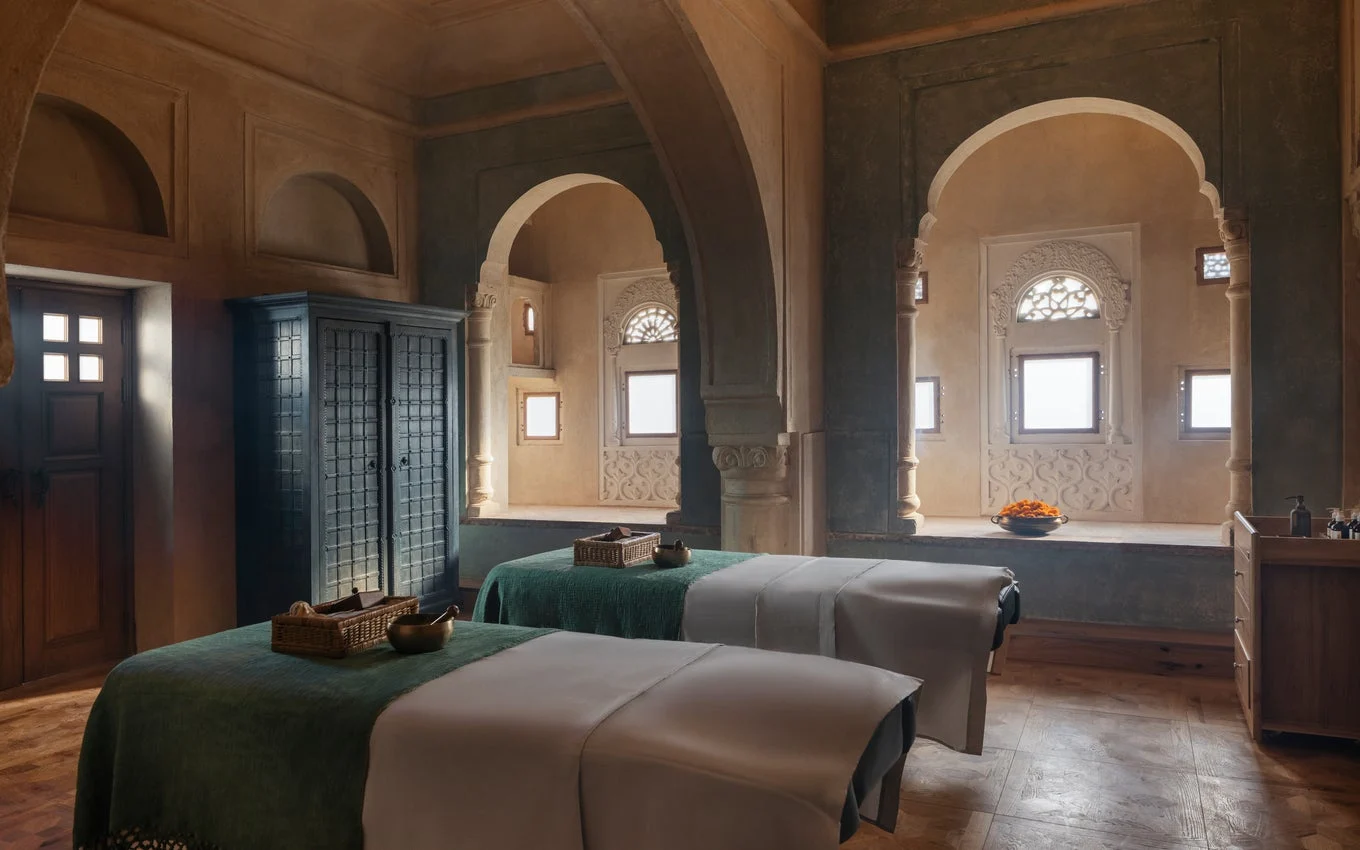
The spa is one of Fort Barwara’s defining features. Six Senses places the approximately 30,000-square-foot / 2,800-square-metre spa and fitness complex within the historic women’s palace area and temples. The setting gives wellness a sense of place rather than making it feel like a generic treatment menu imported into Rajasthan.
Current offerings include Ayurvedic approaches, massage, facials, meditation, movement, personalized wellness programs and the Alchemy Bar, where guests can work with natural ingredients such as oils, clays and gels. Facilities listed by the resort also include steam, sauna, tepidarium, Swedana, cool pool, still pool, fitness facilities and an aerial-yoga pavilion.
For travellers on a busy India itinerary, the practical value is recovery. Long drives, heat, jet lag, early safari departures and multiple monument days can be physically demanding. A Fort Barwara stay works best when you leave genuine empty space for rest rather than booking an activity every hour.
How to use the spa intelligently
Book demanding excursions first, then place recovery around them. If you have a 5:00 AM or 5:30 AM safari departure, a gentle afternoon treatment makes more sense than an intense fitness schedule. If wellness is the primary reason for the trip, ask about a personalized program before arrival so consultations and treatments can be coordinated across several days.
Do not treat the spa as a rainy-day backup. Popular treatment times can fill, especially on weekends and celebration dates. Reserve your priority treatment when you confirm the room.
Dining at Fort Barwara: What to Expect
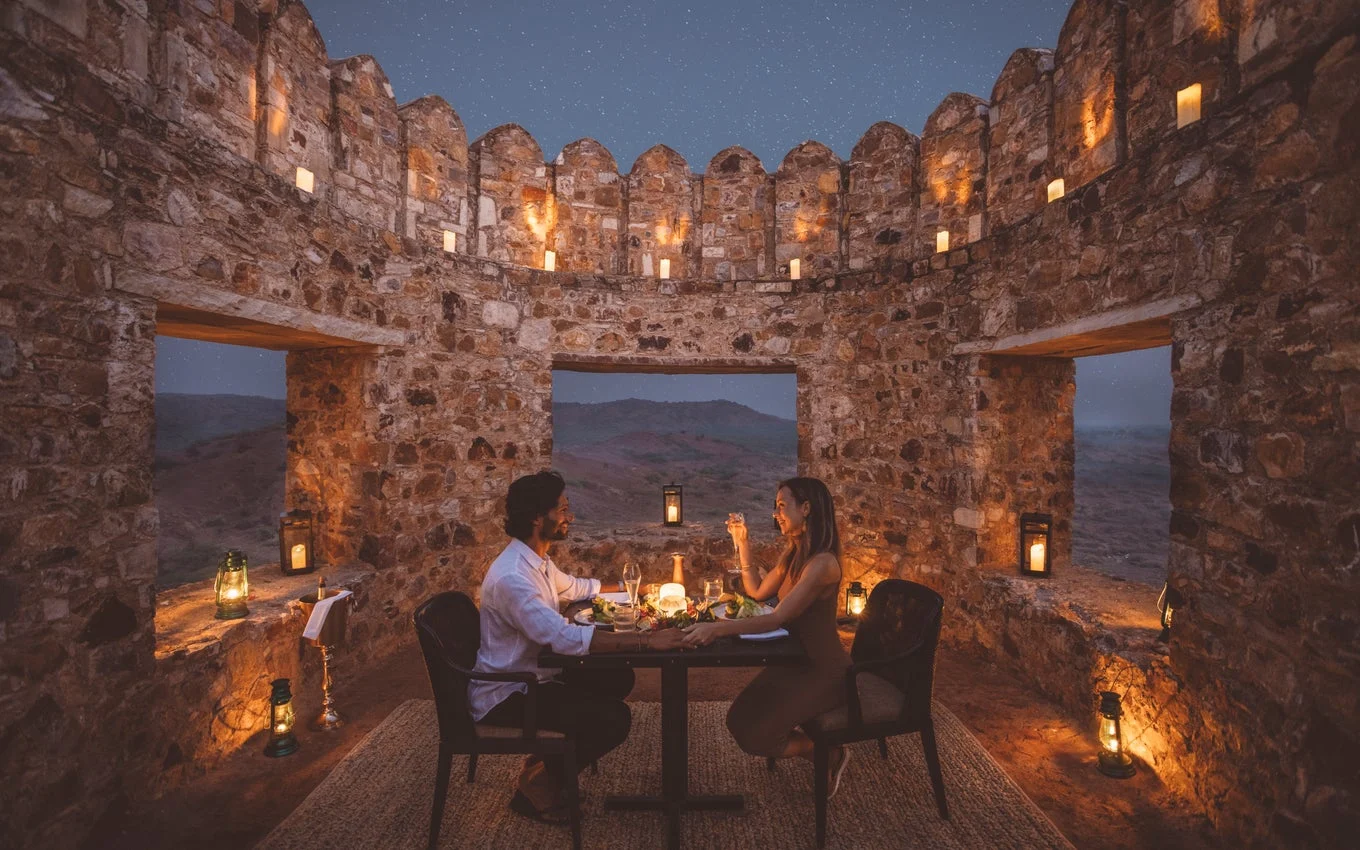
Food is designed around the Six Senses “Eat With Six Senses” philosophy: local, fresh and seasonal ingredients, with produce sourced where possible from the resort’s gardens and nearby farmers. The current official dining page lists several distinct venues, so guests staying two or three nights can vary the setting rather than repeating one restaurant.
The Cortile
The Cortile is the all-day dining anchor, positioned by a leafy 14th-century courtyard. The menu is intentionally broad, with Indian comfort food alongside Mediterranean, Pan-Asian and lighter choices. This is useful for mixed groups where one person wants regional flavours and another wants something familiar after several days of Indian travel.
The Rajawat Room
The Rajawat Room functions as a lounge near reception and is suited to a relaxed drink after a safari or before dinner. It is also a good place to absorb the fort atmosphere without committing to a formal meal.
The Viewing Gallery
The Viewing Gallery is built around the landscape and sunset mood, with views toward Chauth ka Barwara Mandir. For couples, this is one of the natural pre-dinner moments to protect in the schedule rather than rushing back from an excursion at the last minute.
Rani Bagh
Rani Bagh offers lighter poolside food and flame-to-table cooking using seasonal ingredients. It works well after a morning safari when a heavy lunch would compete with an afternoon spa appointment.
Shikar Burj and private dining
Private dining is part of the property’s appeal. The fort has terraces, elevated viewpoints and secluded corners that can be used for special meals depending on weather and operation. If you are celebrating a proposal, anniversary or birthday, arrange the experience in advance and ask exactly what is included, what happens if weather changes and whether the setup fee is separate from food and beverages.
International travellers with allergies, vegetarian requirements, vegan preferences or religious dietary restrictions should send details before arrival. Rajasthan is naturally strong for vegetarian food, but precise allergy communication is still important in any multi-kitchen luxury resort.
Best Experiences at Six Senses Fort Barwara
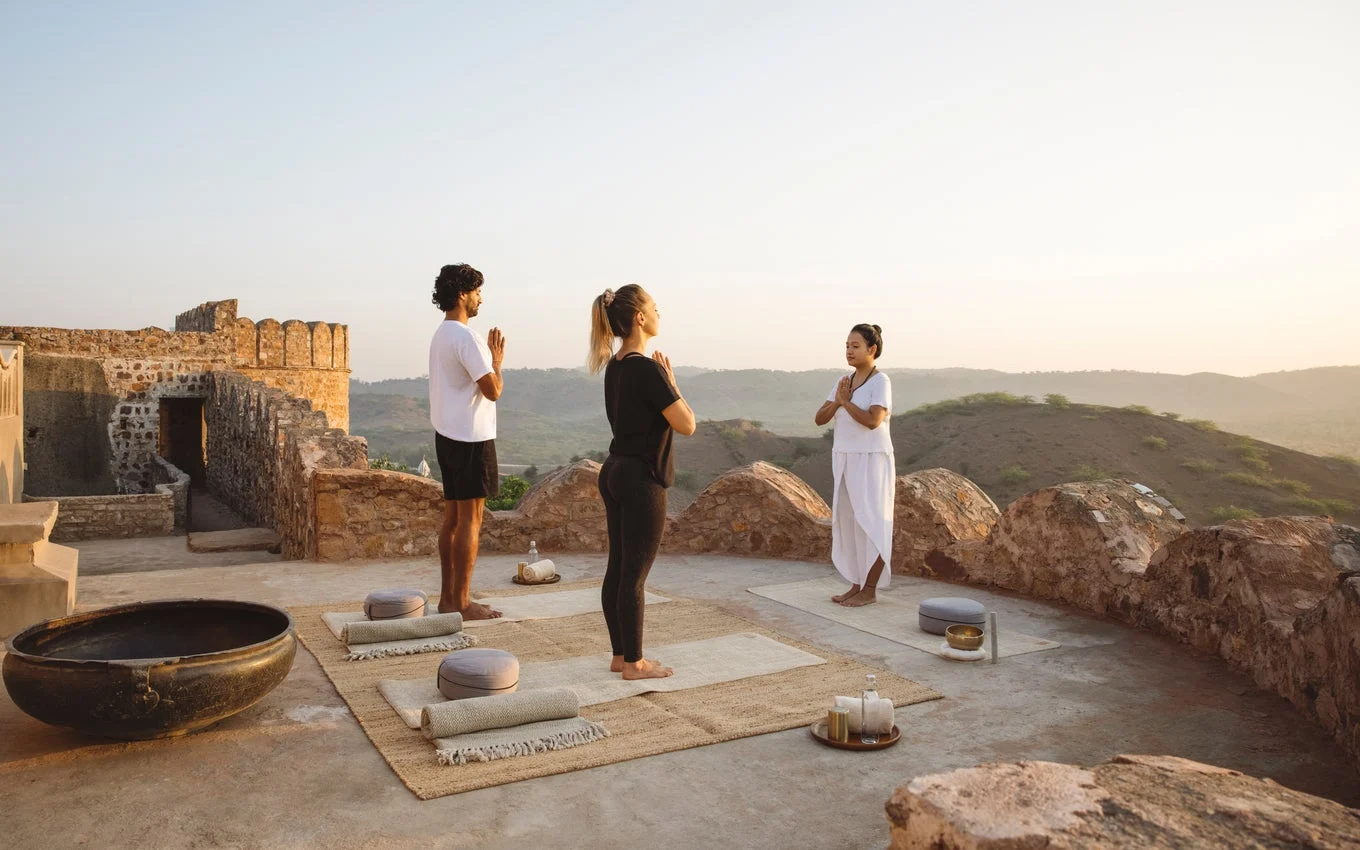
The strongest Fort Barwara stays combine one or two headline excursions with experiences that explain the fort and its surroundings. The official resort currently highlights four core themes: heritage and rewilding, Ranthambore tiger safari, Aravali sunset and temple puja/blessings, alongside daily fitness, wellness and culinary activities.
1. Heritage and Rewilding Walk
This approximately one-hour guided walk is the best orientation to the property. It connects the 14th-century fort, the 1734 Rajawat conquest, architecture, stories, local ritual and the rewilding landscape. Take it early in the stay; you will notice more during every later walk through the fort.
2. Temple Puja and Blessings
The resort describes an evening puja in the Radha-Krishna temple within the Zenana Mahal heritage wing. The experience can include aarti, tika, an auspicious thread, Ganga water and a short bhajan. Foreign guests should approach it as a living religious practice, dress respectfully and follow the priest or host’s guidance about shoes, photography and participation.
3. Aravali Sunset Experience
A countryside drive followed by sundowners at a secluded lake is a relaxed counterpoint to the intensity of a wildlife safari. It is especially appealing for couples and photographers in the cooler season.
4. Cooking and local food experiences
The destination page mentions learning local cooking methods in earthenware pots with the chefs. Culinary experiences are valuable for visitors who want more than restaurant dining because they create a direct connection with ingredients, techniques and regional food traditions.
5. Pool and slow time
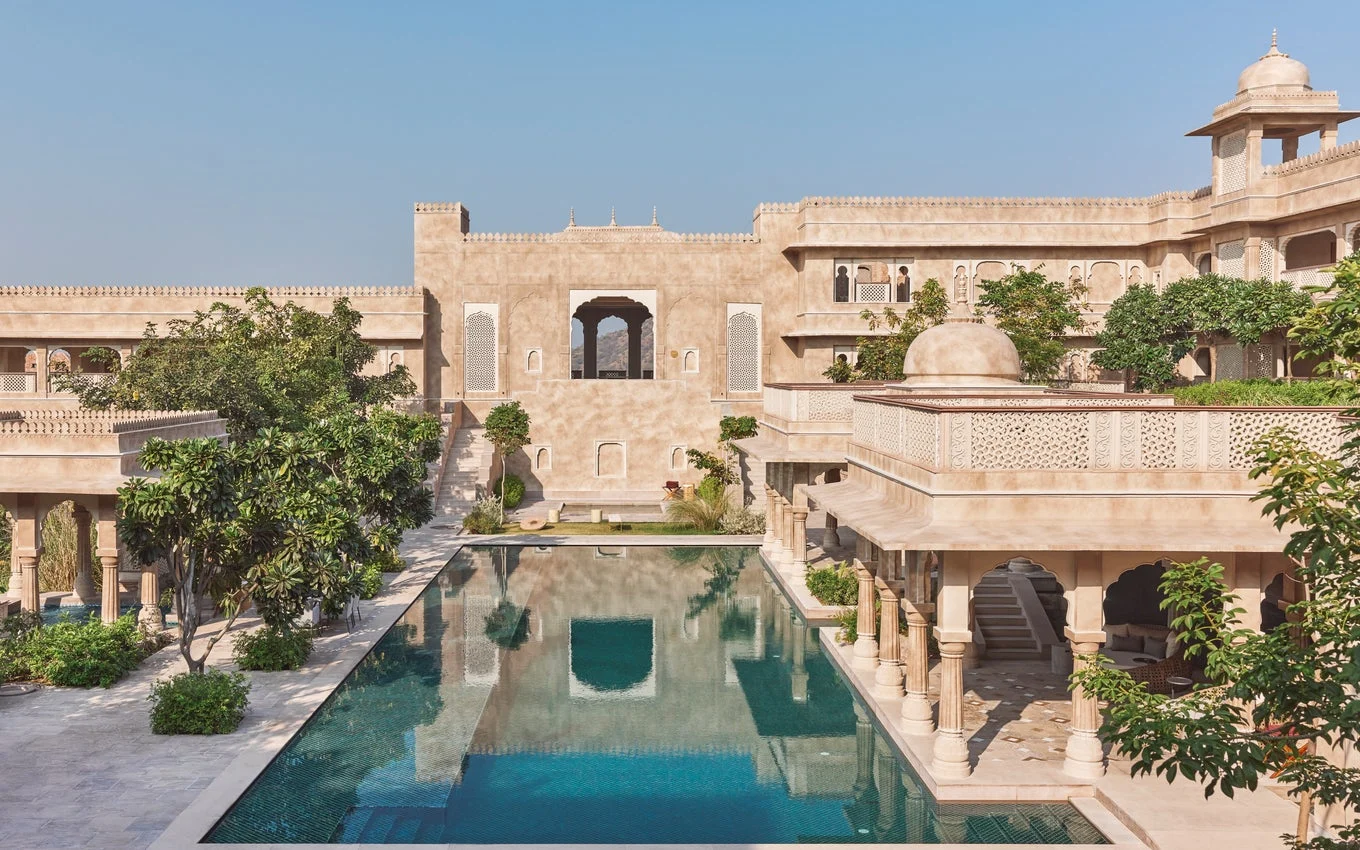
There is an indoor and outdoor pool. After a tiger safari, an unstructured poolside afternoon can be one of the best uses of the resort. Luxury travel in Rajasthan becomes more enjoyable when every day is not treated as a race.
6. Fitness, yoga and wellness sessions
Daily classes vary. Check the current activity calendar at arrival and reserve anything with limited capacity. Guests who want a wellness-led stay should request the schedule in advance.
Ranthambore Tiger Safari from Six Senses Fort Barwara
Ranthambore is the obvious wildlife pairing. Six Senses positions the resort about 30 minutes from Ranthambore National Park and can assist with safari arrangements. The key point for first-time visitors is that a tiger safari is not a guaranteed tiger sighting. It is a protected-wilderness experience in which route, zone, season, weather, animal movement and luck all matter.
Safari permits can be the most time-sensitive part of the stay. Do not book a non-refundable luxury hotel first and assume the ideal safari will always be available later. If seeing Ranthambore is essential, coordinate room dates and safari permits together. Passport details are commonly required for foreign visitors, and names should match identification.
Morning or afternoon?
Both can be worthwhile. Morning drives offer cooler air and dramatic early light; afternoon drives avoid the very early wake-up and can produce beautiful golden light. In winter, mornings may be surprisingly cold in an open vehicle, so pack layers, a scarf and a warm outer layer even if the daytime forecast looks pleasant.
Can you do two safaris?
Yes, and serious wildlife travellers often prefer more than one drive because each safari is different. For a two-night Fort Barwara stay, however, two drives can dominate the visit. Three nights gives a better balance: safari, spa, fort history and downtime.
Photography
Bring a telephoto lens if wildlife photography matters, but do not let equipment prevent you from experiencing the forest. Dust protection is useful. Keep batteries charged, carry a spare memory card and avoid changing lenses unnecessarily in dusty conditions.
For a dedicated route from Jaipur, readers can also compare our Ranthambore day trip from Jaipur, although Fort Barwara deserves a slower overnight approach if budget and time allow.
Can You Visit Six Senses Fort Barwara Without Staying?
Fort Barwara is a functioning luxury resort rather than a public monument, so visitors should not assume that the fort is open for unrestricted sightseeing. Access can depend on confirmed dining, spa, event or resort arrangements, as well as occupancy and security on the day.
If you are not staying overnight, contact the resort before travelling to ask whether a restaurant, spa treatment or other experience can be booked as a non-resident. Do not plan a long detour simply to photograph the property from inside unless access has been confirmed. Wedding and private-event dates may also affect which areas are available.
Six Senses Fort Barwara for Weddings and Celebrations
The resort is set up for major celebrations, with the historic fort, courtyards, ballroom and outdoor areas providing very different event settings. Current Six Senses event information also notes that some spaces, including The Cortile, its courtyard and Rani Bagh, are available for events only with a full buyout.
There is no reliable single “Six Senses Fort Barwara wedding cost” that applies to every event. A realistic proposal depends on dates, guest count, room block or full buyout, food and beverages, décor, entertainment, production, transport, taxes and the exact spaces used. Couples should request a current proposal directly for their dates rather than relying on viral wedding-budget estimates.
For guests attending a destination wedding, staying on property can simplify outfit changes, late finishes and multiple functions. If you are a leisure guest travelling during Rajasthan’s busy wedding season, ask whether a large private event may affect lawns, restaurants, music levels or photography access.
Six Senses Fort Barwara or a Ranthambore Safari Lodge?
| Choose Fort Barwara If... | Choose a Safari Lodge Near Ranthambore If... |
|---|---|
| You want heritage, spa, dining and wildlife in one luxury stay. | Your main priority is maximizing early-morning and afternoon safari logistics. |
| You are comfortable with an approximately 30-minute transfer to the park. | You prefer to stay as close as practical to your safari pickup or park zone. |
| You want at least one full day to enjoy the resort itself. | You expect to spend most daylight hours on wildlife activities. |
| You are on a honeymoon, anniversary or slow Rajasthan itinerary. | You are planning a safari-led trip where the hotel is mainly a base. |
Fort Barwara is not inside Ranthambore National Park. The resort currently describes the park as about 30 minutes away and can arrange early-morning or afternoon safari experiences. That works well for many luxury travellers, but serious wildlife-focused visitors may prefer to compare it with a lodge closer to their safari logistics before deciding.
Best Time to Visit Six Senses Fort Barwara
The resort operates year-round, but the character of the stay changes substantially by season. Six Senses currently describes October to April as the cooler Rajasthan period and notes that Ranthambore is generally open from October to June, with October to April highlighted for tiger-focused travel. Always verify park opening dates and zone conditions independently because wildlife regulations can change.
| Period | What It Feels Like | Best For |
|---|---|---|
| October–November | Warm days, improving weather, festival atmosphere | Heritage, safari, Diwali-season travel |
| December–February | Coolest mornings and evenings | Luxury touring, couples, outdoor dining, safari |
| March–April | Warmer, bright, increasingly dry | Wildlife, spa, pool, fewer winter layers |
| May–June | Very hot | Heat-tolerant wildlife enthusiasts, resort-focused stays |
| July–September | Monsoon influence, greener landscape | Wellness, quiet stays, photography, value seekers |
December to February is the easiest recommendation for first-time foreign visitors who want comfortable sightseeing weather, but it is also a popular period. Book early around Christmas, New Year and major wedding dates. March and April can be excellent for a safari-and-spa combination if you tolerate warmer afternoons. Summer can be intense; schedule outdoor activity early and protect the middle of the day for indoor wellness or pool time.
The monsoon and shoulder periods can transform the visual character of the landscape. They can also bring operational changes to outdoor experiences. Ask what is running on your dates rather than assuming a winter activity calendar applies year-round.
A Perfect 3-Night Six Senses Fort Barwara Itinerary
Day 1: Jaipur to Fort Barwara — arrive slowly
Leave Jaipur after breakfast or an early lunch. If this is your first Rajasthan trip, spend at least two nights in Jaipur before moving on; our complete Jaipur travel guide can help organize Amber Fort, City Palace, Hawa Mahal and the bazaars without compressing them into your Fort Barwara days.
Arrive at the fort in the afternoon, complete check-in and resist the temptation to schedule a major excursion immediately. Walk the courtyards, learn the layout, settle into the suite and enjoy sunset from a viewpoint or the Viewing Gallery. Follow with dinner and an early night, especially if a morning safari is planned.
Day 2: Ranthambore safari + spa recovery
Wake early for the safari. Carry layers in winter, water, camera equipment and identification. Return for a late breakfast or brunch. Keep the afternoon light: pool, spa, nap, gentle yoga or simply reading on the terrace. In the evening, join the temple puja if available and appropriate, then choose a relaxed dinner.
Day 3: Heritage, wellness and private dining
Take the heritage and rewilding walk in the morning. Follow with a slow breakfast and time at the spa. After lunch, enjoy a cooking activity, garden/sustainability experience or another wellness session. For a celebration trip, make the final evening the special one: private dining, sunset drinks or a curated meal in a memorable fort setting.
Day 4: Departure
Do not schedule an unnecessarily early departure unless your train or flight requires it. Enjoy breakfast, one last walk and the quiet morning atmosphere. Continue to Jaipur, Sawai Madhopur rail station or the next Rajasthan destination.
Two nights is workable for one safari and a taste of the fort. Three nights is the better first stay because it allows the resort’s heritage and wellness identity to exist alongside Ranthambore rather than being squeezed around it.
Is Fort Barwara Good for Families with Children?
Yes, particularly for families who want a cultural resort rather than a city hotel. The destination information lists a kids’ pool, outdoor Cinema Paradiso, treasure hunts, family cookouts and Grow With Six Senses programming for children and teenagers. Activities can vary by age, season and occupancy, so parents should request the current schedule before arrival.
The fort itself can turn history into something tangible. Children can see walls, towers, courtyards and temples instead of only hearing about Rajasthan in a classroom. A treasure hunt or cooking activity can be more engaging for younger travellers than a formal heritage lecture.
Parents should still think about practicalities. Heritage architecture can involve steps, uneven surfaces and long internal walks. Ask about the easiest suite location if travelling with a stroller, a very young child or anyone with mobility needs. For safari days, check age rules and whether the child will enjoy several hours in an open vehicle.
Families should also clarify meal-plan terms, extra-bed policy, child pricing and whether specific activities are complimentary or chargeable. A package that looks more expensive can be better value when meals and family experiences are included.
Couples, Honeymoons, Proposals and Anniversary Stays
Fort Barwara is naturally suited to couples because the property combines privacy, dramatic architecture and enough on-site activity to make a short stay feel complete. A honeymoon here works particularly well after busier sightseeing in Delhi, Agra and Jaipur. Instead of another day of monuments, the couple can move into a slower rhythm of spa, pool, sunset, private dining and one wildlife excursion.
For proposals and anniversaries, do not rely on a generic “romantic package.” Tell the resort what matters: privacy, sunset, flowers, photography, a particular menu, music, dietary needs or a specific time. Ask for a wet-weather alternative. Rajasthan weather is often predictable, but outdoor setups still need a backup plan.
Wedding interest around the fort increased internationally after high-profile celebrations brought attention to the property, but a travel guide should focus on what ordinary guests can actually plan. The fort has indoor and outdoor event spaces and a royal ballroom, yet event access, buyouts, sound rules and wedding logistics are specialized and must be quoted directly.
Sustainability: What the Resort Is Actually Doing
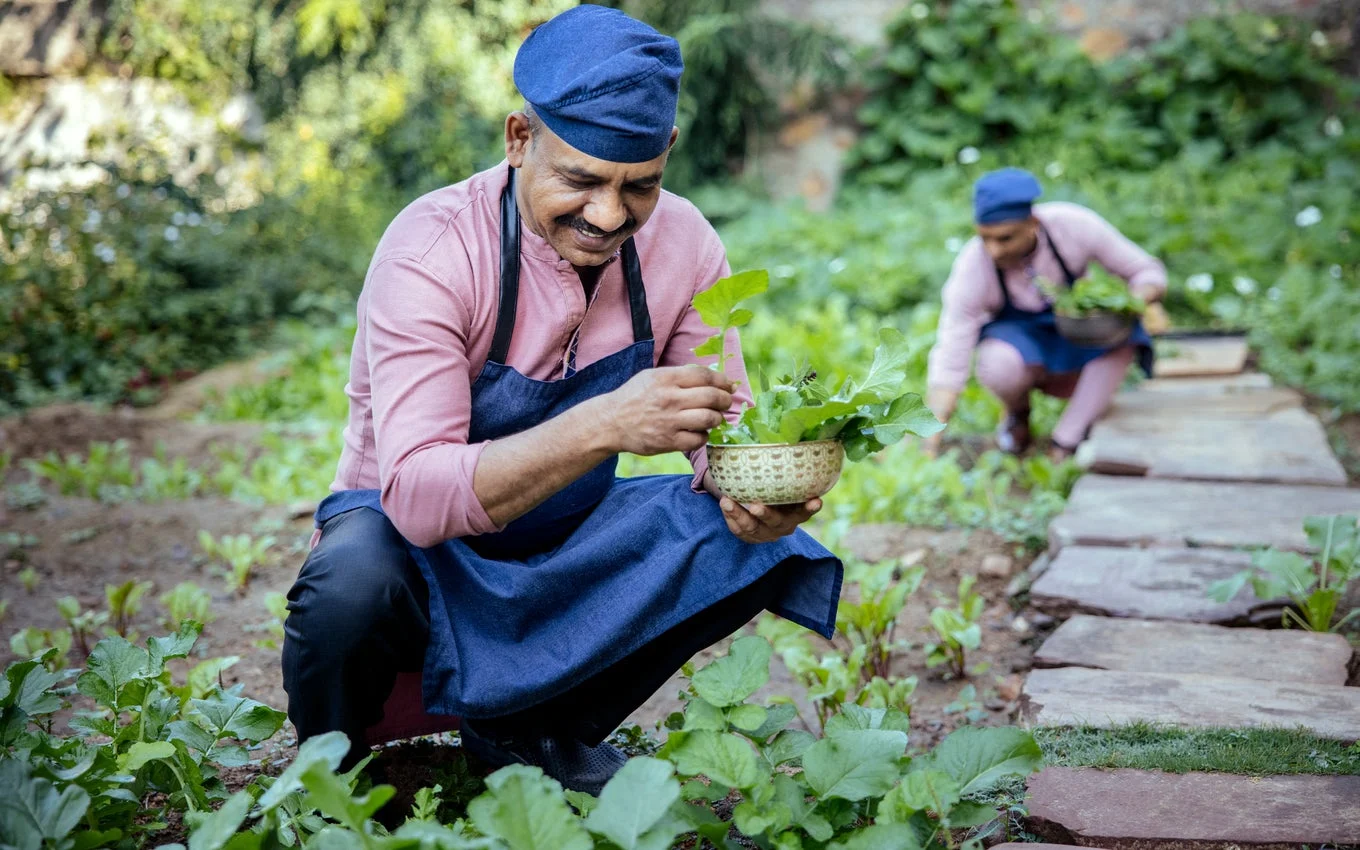
Sustainability is more credible when it is measurable. Six Senses’ current Fort Barwara sustainability page reports several 2024 impact figures, including 582,354 plastic bottles avoided through on-site water bottling, 545 kg of organic vegetables grown, 7,503 kg of compost produced and 645 people gaining access to clean drinking water through local school and hospital initiatives. These are the latest quantified property figures prominently published on the official page at the time this guide was reviewed.
The historic restoration itself is part of the environmental story. Reusing a centuries-old complex avoids the cultural loss that would come with replacement, while traditional building techniques, rainwater collection and solar elements are integrated into the property. The landscape program emphasizes endemic plants and rewilding rather than treating the fort as an isolated ornamental garden.
The resort has also described work to revive Barwara lake and restore ecological balance in the surrounding landscape. Rewilding involves removing invasive species and encouraging native flora that can support birdlife and other wildlife. For guests, the heritage and rewilding walk is the easiest way to see how these ideas connect with the physical property.
Community programs include clean-water infrastructure, local craft support, waste-awareness activities, clean-ups, tree planting and health/wellness initiatives. Travellers who care about responsible luxury should ask not only what a hotel removes from the environment but also what value it creates locally.
What to Pack for Fort Barwara and Ranthambore
- Winter: warm layers for early safari drives, a light jacket for evenings and closed shoes.
- Summer: breathable clothing, hat, sunglasses and high-SPF sunscreen.
- Temple visit: modest clothing that covers shoulders and knees is a respectful default.
- Safari: neutral comfortable clothing, dust protection for camera gear and a scarf.
- Spa: the resort provides the basics; bring personal medication and any essential skincare.
- Electronics: universal adapter, power bank and enough camera storage.
- Documents: passport/ID, safari confirmation, hotel booking and travel insurance details.
Avoid overpacking formal clothing unless you are attending an event. The mood is refined but destination-led. Smart resort wear works for most dinners, while practical shoes are more useful than delicate footwear on heritage surfaces.
Booking Six Senses Fort Barwara: How to Avoid Expensive Mistakes
Luxury-hotel pricing is dynamic, so the most important comparison is the total stay value. A room-only or breakfast rate can appear cheaper but become less attractive after adding three meals, transfers, spa treatments and experiences. Conversely, an expensive package can be unnecessary if you plan to spend most of the day in Ranthambore.
Seasonal packages can sometimes include meals, spa treatments, transfers or additional resort experiences. Because these offers change, compare the flexible rate with any package available for your exact dates and calculate the real value of the inclusions before booking. A higher headline rate can be the better choice when it covers experiences you were already planning to purchase.
Before you pay, confirm these ten points
- Exact suite category and view.
- Meal plan and which restaurants are included.
- Taxes and service charges.
- Airport or railway transfer cost.
- Safari permit and vehicle arrangement.
- Spa inclusions and treatment duration.
- Complimentary vs chargeable experiences.
- Child/extra-bed policy if relevant.
- Cancellation and date-change deadlines.
- Special-event or festive supplements.
Book directly when you value clear communication with the hotel and want to coordinate transfers, spa and experiences in one place. A trusted luxury travel advisor can also be useful for a complex India itinerary. Whichever channel you use, keep written confirmation of inclusions.
Fort Barwara vs Staying Inside Jaipur: Which Is Better?
These are not substitutes. Jaipur is better for concentrated urban sightseeing: Amber Fort, Hawa Mahal, City Palace, Jantar Mantar, shopping, restaurants and old-city streets. Fort Barwara is better for retreat-style luxury, wellness, heritage immersion and access to Ranthambore.
| Choose Jaipur City If… | Choose Fort Barwara If… |
|---|---|
| You have only 1–2 days in Rajasthan | You can dedicate 2–3 nights to a destination stay |
| You want monuments and bazaars all day | You want spa, privacy and slow travel |
| You need airport convenience | You are continuing toward Ranthambore |
| You prefer many outside restaurants | You are happy dining mostly at the resort |
| You want a city base | You want the hotel itself to be an experience |
The strongest itinerary often includes both. Spend two nights in Jaipur, then two or three at Fort Barwara. That gives the Pink City enough time without turning the heritage resort into an expensive sleeping stop.
Who May Not Enjoy Six Senses Fort Barwara?
No hotel is right for every traveller. Budget-focused visitors may find that the cost competes with several nights elsewhere in Rajasthan. Travellers who want nightlife, dense shopping streets or a wide choice of independent restaurants may prefer Jaipur. Guests who plan to leave before dawn and return after dark every day will not use enough of the resort to justify its strengths.
It can also be less suitable for an ultra-fast Golden Triangle itinerary. If you have only Delhi, Agra and Jaipur across four or five nights, adding Fort Barwara creates extra transit. Save it for a longer trip when the stay can breathe.
Finally, anyone with mobility limitations should discuss the heritage layout before booking. Historic forts are not designed like modern flat resorts. The team can advise on suitable accommodation and transport, but it is better to ask detailed questions in advance.
Arrival Day Strategy for International Guests
If Fort Barwara follows a long international flight, avoid stacking a safari onto the first morning unless you know you handle jet lag well. Delhi, Mumbai and Jaipur arrivals can involve immigration, baggage, domestic connections and road time. A calmer plan is to sleep in Jaipur first, see the city, then transfer to Barwara in daylight. The countryside approach becomes part of the experience rather than a tiring final leg after twenty hours of travel.
Send your flight or train details to the transfer team in advance and reconfirm them 24–48 hours before arrival. Save the resort phone number offline. Mobile data is generally useful in India, but a screenshot of the address and confirmation is still sensible. If using an independent driver, make sure the driver has the exact Chauth Ka Barwara location rather than simply “Ranthambore,” because the resort is not inside Sawai Madhopur town.
How to Balance Luxury and Wildlife
The most common planning mistake is treating the resort as a safari lodge only. Ranthambore is a major reason to come, but Fort Barwara is built for a wider experience. If every morning and afternoon is spent in a safari vehicle, the spa, architecture, dining and cultural programming become background scenery.
A balanced three-night plan normally needs only one guaranteed “anchor” each day: safari, wellness consultation, or heritage experience. Leave the other half of the day flexible. Wildlife travel contains uncertainty; a drive can return late, weather can change, and an exciting sighting may leave you wanting another safari. Flexibility lets the stay adapt without becoming stressful.
Photography Guide: Best Visual Moments
The fort rewards wide architectural photography at sunrise and sunset, but details are equally important: stone textures, arches, doorways, shadows, craft objects, temple silhouettes and agricultural landscapes. Midday light in Rajasthan can be harsh, so use interior courtyards and shaded arcades when the sun is high.
For people photography, always ask permission, especially during religious activity or when photographing local residents. A luxury hotel is still connected to a living village and temple landscape. Drone rules can be strict around hotels, heritage structures and sensitive areas; never fly a drone without explicit written permission and compliance with Indian aviation rules.
Food and Dietary Planning for Foreign Visitors
Visitors sometimes worry that a Rajasthan resort will mean spicy food at every meal. In practice, the all-day dining structure gives a broad range of Indian and international options. If you are new to Indian food, ask the team to explain heat level, regional ingredients and portion size. “Spicy” can refer to chilli heat or simply a complex spice profile, so be specific about what you do and do not enjoy.
Drink safe filtered or bottled water, especially during hot months, and stay hydrated before safari drives. If you have a severe allergy, send it in writing before arrival and repeat it at the restaurant. For celebrations, a tasting-style private dinner can be a better introduction to Rajasthan than ordering several unfamiliar dishes at once.
Accessibility and Senior-Traveller Planning
A restored fort can involve slopes, stairs, uneven stone and distances that are easy for one guest and tiring for another. Senior travellers and guests with reduced mobility should ask the resort for a route-specific explanation rather than a general statement that assistance is available.
Request a conveniently located suite, ask how to reach restaurants and spa areas, and confirm vehicle access points. For Ranthambore, climbing into a safari vehicle may be more challenging than walking around the hotel. Discuss this with the safari organizer before the permit is finalized.
Money, Tipping and On-Property Spending
Most major resort charges can be settled electronically, but carry some Indian rupees for incidental spending outside the property. Ask whether taxes are included in quoted prices. Spa, transfers, private dining and safari arrangements may be posted separately to the room.
Tipping in India varies by context. A luxury hotel may have a service charge or pooled system, while drivers and guides are often tipped separately. If uncertain, ask the concierge discreetly for the property’s current practice rather than relying on an old online forum amount.
Festivals and Cultural Calendar
The surrounding region follows Rajasthan’s religious and seasonal calendar, and the resort’s official “when to visit” information highlights celebrations such as Holi, Navratri, Dussehra and Diwali. Festival periods can add colour, music and ritual to a stay, but they can also affect transport, occupancy and pricing.
Ask what guest activities are planned rather than assuming a festival will be celebrated in the same way every year. During temple events, remember that local worshippers are participating in their own tradition; visitors should observe respectfully rather than treating ceremonies as staged entertainment.
What a 1-Night Stay Misses
A one-night stay can deliver beautiful photographs and a memorable room, but it is usually poor value relative to the effort of reaching the fort. Check-in, orientation, dinner, sleep and checkout consume most of the visit. Add a safari and there is almost no time left for wellness or heritage.
If budget permits only one night, arrive as early as the confirmed check-in arrangement allows and avoid a long excursion. Treat the fort itself as the attraction. If Ranthambore is essential, stay longer or sleep closer to the park on another night.
How Many Nights for a Rajasthan Honeymoon?
For a honeymoon itinerary of ten to fourteen days, three nights at Fort Barwara is a strong allocation. It creates a pause after urban sightseeing and before the next long transfer. Four nights can make sense for couples who want multiple spa treatments, two safaris or a genuine wellness retreat.
Do not make every hotel on a honeymoon a “special hotel.” Constantly moving between expensive properties can become exhausting. Use Fort Barwara as one of the anchor stays, then balance it with city hotels that make sightseeing efficient.
Frequently Asked Questions About Six Senses Fort Barwara
Is Six Senses Fort Barwara really a historic fort?
Yes. Six Senses describes the property as a restored 14th-century Rajasthani fort incorporating two palaces and two temples within its walls.
How many rooms are there?
The resort has 48 suites, including specialty suites. Current official accommodation information lists sizes from roughly 70 to 280 square metres.
How far is it from Jaipur?
The official transport page currently estimates about 2.5 hours by car from Jaipur International Airport. Real journey time depends on traffic and conditions.
How far is it from Ranthambore?
Six Senses describes Ranthambore National Park as approximately 30 minutes from the resort.
How far is Sawai Madhopur railway station?
The resort currently estimates about 25–30 minutes by road and can arrange transfers.
Can the hotel arrange a tiger safari?
The resort advertises private tiger-safari experiences and can assist with arrangements. Permit availability is limited, so coordinate the safari early.
Is a tiger sighting guaranteed?
No. Ranthambore is a wild national park. A safari offers the possibility of seeing tigers and other wildlife, not a guaranteed sighting.
What is the best time for Ranthambore?
The resort highlights October to April for tiger-focused visits, while the park season generally extends beyond that. Check current official park rules for your dates.
Is Fort Barwara good in summer?
Yes for travellers comfortable with heat, especially if the trip is spa- and pool-focused. Outdoor sightseeing should be concentrated in cooler morning and evening hours.
Does the hotel have a spa?
Yes. The spa and fitness area is approximately 30,000 sq. ft. / 2,800 sq. m. and includes Ayurveda, massage, meditation and personalized wellness options.
Does it have a pool?
Official facilities list both indoor and outdoor pools.
Is it good for children?
Yes. The resort lists a kids’ pool, Grow With Six Senses, treasure hunts, family cookouts and outdoor cinema activities. Current schedules vary.
Is it suitable for a honeymoon?
Very much so if you want privacy, spa time, heritage surroundings and destination dining. Three nights gives a better balance than a rushed one-night stop.
Are there temples inside the fort?
Yes. Two temples form part of the restored complex, and the resort offers an evening puja and blessings experience in the Zenana Mahal temple.
What restaurants are at Fort Barwara?
The current dining page features The Cortile, The Rajawat Room, The Viewing Gallery, Rani Bagh and Shikar Burj/private dining concepts.
Is alcohol available?
The official dining information describes cocktails and wine service in designated venues. Ask the hotel about current licensing, service times and any event restrictions.
Should I stay two or three nights?
Three nights is ideal for a first visit if you want a safari, spa, heritage walk and relaxed resort time. Two nights works when the itinerary is tight.
Can I visit without staying overnight?
Access to luxury heritage resorts is controlled and policies can change. Do not arrive expecting unrestricted sightseeing. Contact the resort directly about dining, spa or visitor access.
What should I wear?
Comfortable resort clothing works for most of the stay. Dress modestly for temple activities and bring practical layers for winter safaris.
Is it part of IHG?
Six Senses is part of IHG Hotels & Resorts. Loyalty benefits, earning and redemption rules depend on the current program and rate booked, so verify before purchase.
Does Fort Barwara focus on sustainability?
Yes. The property publishes work on water bottling, compost, organic produce, rewilding, local clean-water access and community programs, along with quantified annual impact data.
What is the address?
Six Senses Fort Barwara, Chauth Ka Barwara, Rajasthan 322702, India.
Should I book Jaipur and Fort Barwara in the same trip?
Yes. They complement each other: Jaipur for city heritage and markets, Fort Barwara for wellness, wildlife and slow luxury.
Final Verdict: Is Six Senses Fort Barwara Worth the Journey?
Six Senses Fort Barwara is at its best when you allow the fort to change the pace of your Rajasthan trip. Arrive after Jaipur, put the phone away for a while, learn the building’s history, watch the light move across the stone, take one carefully planned safari, spend real time in the spa and leave room for an evening that has no agenda beyond dinner and the view.
For foreign visitors, that rhythm can be more memorable than adding another city to an already crowded itinerary. The property combines three of Rajasthan’s strongest travel themes—heritage, wilderness and well-being—without forcing you to choose only one. It is expensive, and it deserves to be judged as a destination rather than merely a room rate. If you can give it two or three nights and use the experiences that make the place distinctive, it can become one of the defining stays of a Rajasthan journey.
Continue planning with our Jaipur travel guide, Ranthambore from Jaipur guide and heritage Rajasthan tour packages.